Sharia Law UK: Understanding Its Role, Meaning, and Debate
Introduction
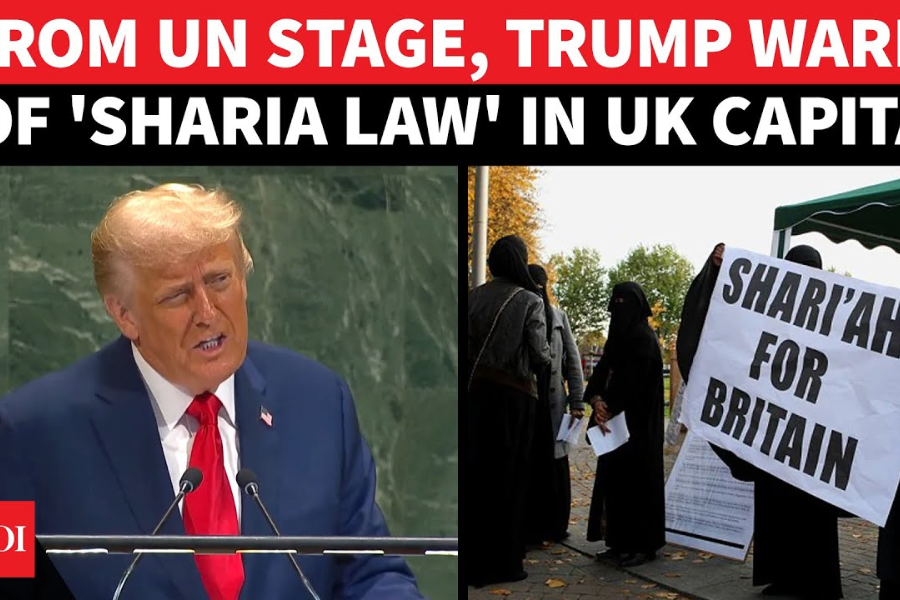
The topic of Sharia law in the UK has long attracted curiosity, debate, and sometimes misunderstanding. It raises concerns regarding religion, identity, and legal integration in a multicultural society for many people. While Sharia law originates from Islamic religious principles, its presence in Britain is often limited to voluntary civil matters among Muslim communities. Yet, discussions about its influence have grown louder as the UK continues to evolve as a diverse, democratic nation.
The meaning of Sharia law, its application in the UK, its legal boundaries, and how British society views its current existence are the subjects of this article. We can gain a better understanding of how faith, culture, and law coexist in the United Kingdom by separating fact from fiction.
What Is Sharia Law?
Sharia is an Arabic term meaning “the path” or “the way.” It refers to the moral and legal framework derived from Islamic teachings, primarily the Qur’an (the holy book of Islam) and the Hadith (the sayings and actions of Prophet Muhammad).
Sharia covers a wide range of topics, including ethics, family matters, business conduct, social justice, and law and punishment. It is not a single, unchanging code; rather, it is a method of interpretation that varies by school of thought and region. In Muslim-majority countries, some aspects of Sharia are incorporated into national legal systems. However, Sharia is not incorporated into the law of non-Muslim nations like the United Kingdom. Instead, it may be used informally or voluntarily within communities, especially for marriage, divorce, inheritance, and mediation.
Sharia Law in the UK: A Historical Overview
Islamic presence in the UK dates back centuries, but Sharia-based community frameworks began appearing prominently in the late 20th century as immigration from South Asia, the Middle East, and Africa increased.
Muslim communities established Sharia councils or Islamic arbitration panels to help settle personal and family matters in accordance with religious principles. These councils were never official courts; rather, they served as advisory or mediation bodies, helping individuals resolve disputes while maintaining their faith-based values.
By the early 2000s, these councils were more formally recognised under the Arbitration Act 1996, which allows private arbitration between consenting adults. This meant that if both parties agreed beforehand, Sharia-based decisions could be legally binding in civil law within certain limits. However, it’s crucial to understand that Sharia councils do not replace or override British law. They can’t handle criminal cases or other matters outside of the areas where UK civil law permits private arbitration.
How Sharia Law Works in the UK
There is no single “Sharia court” in Britain. Instead, there are Sharia councils or Islamic tribunals that provide advice, mediation, and arbitration services. Their main focus is family law, particularly:
- Islamic marriage and divorce (Nikah and Talaq)
- Financial settlements related to dowry (Mahr)
- Custody agreements (informal advice only)
- Religious inheritance guidance
Even after a civil divorce under UK law, a woman seeking a religious divorce—known as a “Khula”—may approach a Sharia council to obtain formal recognition within her community. These councils can only act with consent. Their decisions are not legally binding unless both parties agree under UK arbitration law. In legal terms, criminal matters like domestic abuse, assault, and child custody remain under British law and cannot be handled by any religious organization.
Legal Framework: British Law vs. Sharia Law
The UK’s legal system is based on common law and parliamentary sovereignty. It ensures that only courts established by the state have legal authority over matters like crime, civil rights, and family law.
Under British law:
- No religious court can replace or supersede civil courts.
- All citizens, regardless of religion, are subject to UK law.
- Religious arbitration can occur only voluntarily and within civil boundaries.
Therefore, Sharia councils function within a limited, supportive framework, providing cultural or faith-based mediation — not alternative governance.
To ensure fairness and prevent abuse, British authorities and advocacy groups have called for greater oversight and transparency within Sharia councils, particularly to protect vulnerable individuals (for example, women in divorce proceedings).
Public Debate and Media Representation
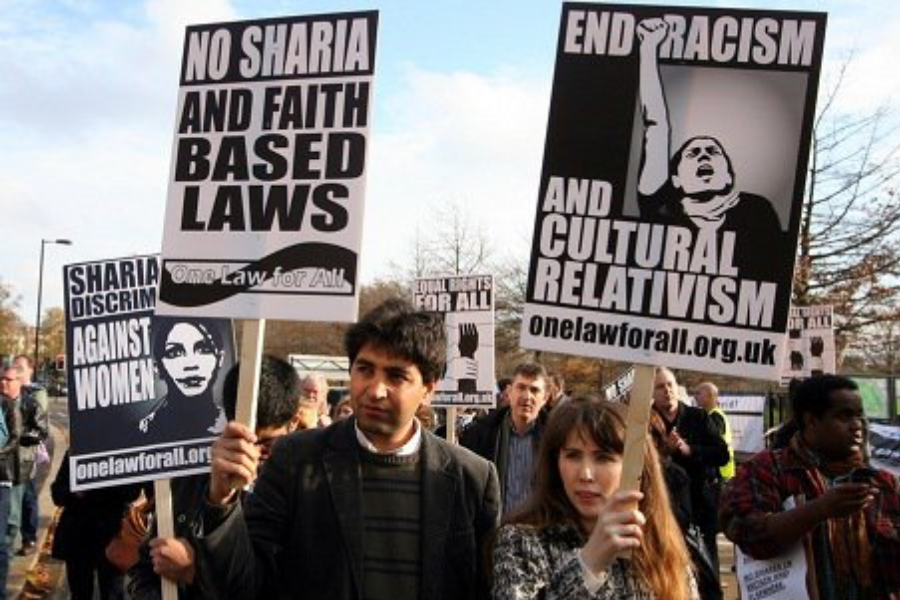
The phrase “Sharia law in the UK” often triggers intense public debate. It is sometimes presented in media reports as a parallel legal system, which can cause confusion or fear. The reality, however, is more nuanced. Supporters argue that these councils provide essential cultural and spiritual services to Muslims who wish to live in line with their faith while respecting British law. They assert that Sharia councils aid in peaceful dispute resolution and lessen the demand on civil courts. However, if religious arbitration is not properly regulated, critics are concerned about potential inequalities, particularly for women. Some feminist and human rights groups have called for clearer protections to ensure all outcomes comply with UK equality and human rights laws.
In response, a number of government reviews have been carried out, such as the Independent Review into the Application of Sharia Law from 2016 to 2018, which recommended enhancing council training, registration, and transparency.
Common Misconceptions About Sharia in the UK
There are many myths surrounding Sharia law in Britain. Let’s address a few:
- “Sharia law is replacing UK law.”
➤ False. Sharia has no authority over criminal or civil law. Only British courts make legally binding judgments. - “Muslims want to impose Sharia on everyone.”
➤ False. The vast majority of Muslims in the UK simply use Sharia for personal faith-based matters, similar to how Jewish Beth Din courts or Christian tribunals operate. - “Sharia councils are secret or illegal.”
➤ False. They are legal advisory or arbitration services, operating under British law, often registered as charities or community organisations. - “Sharia discriminates against women.”
➤ This concern has some basis, as cultural biases can influence decisions. However, many councils have introduced reforms, female panel members, and clearer procedures to ensure fairness within a religious framework.
Cultural and Community Role
Sharia law has cultural and ethical significance for many Muslims in Britain in addition to its legal aspects. It provides a moral compass for daily life — guiding decisions about charity, honesty, business ethics, diet, and social responsibility.
In Britain, community leaders frequently emphasize that Sharia should not be viewed as law enforcement but rather as a moral system that enables Muslims to live in harmony with both their faith and the laws of the country. In this sense, Sharia councils are not competitors to British courts, but community resources that foster understanding and integration. In addition, many councils collaborate closely with other local authorities, charitable organizations, and family support services to ensure that their procedures comply with national standards.
Government Stance on Sharia Law
The UK government has consistently stated that there is only one legal system in the country — the law of the land. Religious bodies, including Sharia councils, are free to offer guidance but must not claim legal jurisdiction outside permitted limits.
This position has been echoed by former Home Secretaries and Prime Ministers, who have emphasized the significance of equality in British law. The Home Office’s 2018 review recommended that councils register officially, promote awareness of civil law marriage, and ensure women are not disadvantaged by religious-only ceremonies.
This means that, in practice, Sharia-based arbitration can continue, but it must be open, regulated, and subject to UK law.
Sharia Law and British Muslims Today
More than politics, Sharia represents faith, ethics, and identity for the estimated 3.9 million Muslims in the UK. The majority of Muslims, according to surveys, value their religious traditions and the democratic society of Britain. In other words, many British Muslims want to fully participate in public life while maintaining their religious heritage and support integration without assimilation. Sharia law is not a political agenda but rather a personal moral framework in this setting. Islamic scholars, community leaders, and legal professionals continue to collaborate to close the gap between British legal principles and faith-based guidance, ensuring harmony between the two systems
Future Outlook
As the UK becomes more diverse, the discussion about Sharia law will likely evolve further. The focus is expected to shift from fear and controversy to collaboration and reform — ensuring that community-based religious arbitration supports equality, transparency, and the rule of law.
Future challenges include:
- Encouraging registration of all Islamic marriages under civil law
- Improving gender balance and representation within Sharia councils
- Increasing legal literacy among community members
- Building stronger relationships between Sharia councils and government institutions
If these efforts continue, Sharia law in the UK can remain a voluntary, faith-based resource that coexists peacefully with the national legal system — serving communities while respecting everyone’s rights.
Conclusion
In a modern democracy, larger discussions about religion, diversity, and identity are reflected in the UK Sharia Law debate. Despite the fact that it is sometimes misunderstood, its actual presence is restricted to voluntary, faith-based guidance and does not include an alternative legal system. Britain’s legal foundation remains firmly secular and unified, ensuring equality and justice for all citizens. Meanwhile, Sharia councils offer a bridge between faith and modern life for those who seek it.
In the end, understanding Sharia law in the UK requires distinguishing myth from reality and realizing that personal belief, community support, and moral guidance are more important than power or politics. Islamic ethics and British law can coexist in a way that strengthens rather than divides society by maintaining cooperation and transparency.





Post Comment