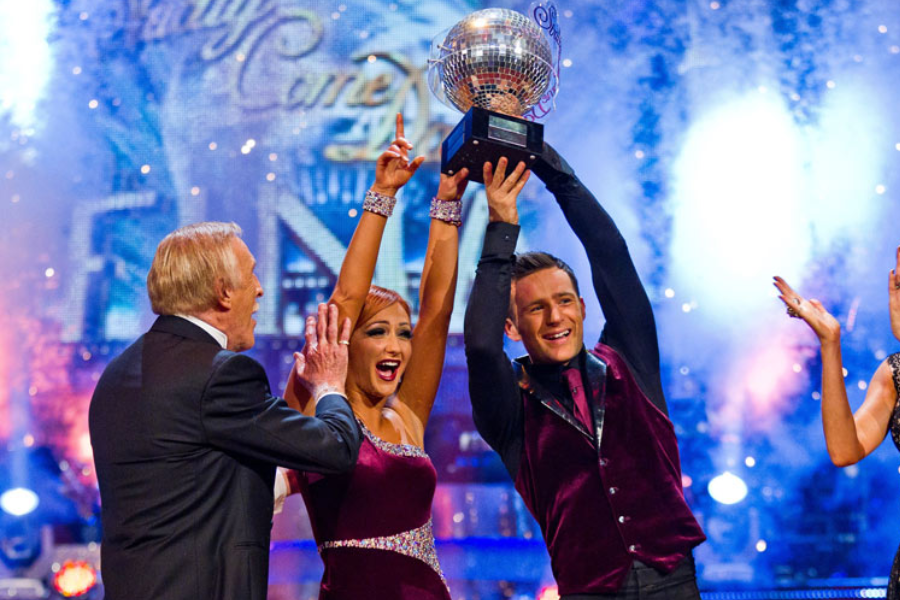
BBC Strictly Come Dancing Final Disruption: What Happened, Why Fans Are Concerned, and What It Means
For many in the UK, Strictly Come Dancing is more than just a Saturday night show. It’s a fixture of the festive season, family conversations, media coverage, and, often, proud tears and shared laughter. So when the final of Strictly Come Dancing is disrupted, even slightly, it causes a ripple. In recent years there have been moments when the closing show hasn’t followed the usual format or has left viewers frustrated. This article unpacks what kinds of disruptions have happened in Strictly finals, what has sparked them, how fans reacted, how the BBC has responded, and what might be changing for future seasons.
What “Final Disruption” Means in the Strictly Context
When people talk about a “final disruption” in Strictly Come Dancing, they usually mean one or more of:
- Changes to the usual order of events (speeches, performances, announcements).
- Cuts in broadcasting time or segments omitted (e.g., shorter results segment, missing balcony announcements).
- Emotional or concerning remarks by judges or hosts that suggest something is off.
- Technical or logistical issues (injuries, withdrawals, production constraints).
- Changes in rules or format that affect how the final proceeds.
These disruptions may be small in isolation but because the final is live (or partially live), highly anticipated, and has tight expectations from the audience, even small deviations are noticed heavily.
Recent Instances & Fan Complaints

Here are examples of recent disruptions or controversial deviations tied to Strictly finals, or its closing moments, that fans have taken notice of:
- Feature Axed: Balcony Announcement Cut
One notable complaint was that a popular feature — the moment where finalists stand on a balcony for their names to be announced before the show ends — was removed. Some viewers believe this was part of budget cuts. Many expressed disappointment, saying that it reduces the ceremonial feel of the final. - Shortened Results Show
It has been reported that certain BBC Strictly broadcasts have cut results shows from the usual hour down to around 40 minutes. This truncation means less time for emotional highlights, speeches, and fan-favoured moments. - Concerning Remarks by Judges
After the final, some viewers were unsettled by a comment from judge Craig Revel Horwood to contestant Ellie Leach — he said it would be “the last time” they would speak during Strictly. Some took this as a cryptic sign of departure or underlying tension in the production or judging panel. Others sought to reassure themselves (and hoping he was simply being dramatic). - Injury-Based Withdrawals or Forced Byes
In some finals or near-finals, contestants have been forced to withdraw or are given a “bye” (exemption) because of injury or illness. For example, AJ Odudu and her professional partner were unable to compete in one final because of ligament damage. Their absence changed the number of competitors actually performing in the final, altering the dynamics.
Wikipedia - Controversies Over Transparency, Judging or Fairness
While not always directly in the final, past controversies (e.g., over how the BBC handles dancer behaviour, rehearsals, allegations) have contributed to a context in which fans view disruptions more skeptically.
Why These Disruptions Frustrate Viewers
To understand why fans react so strongly to even small disruptions at the final, it helps to consider what the final means to people.
- Expectation: Over many years, viewers grow used to a standard format for finals: heartfelt speeches, a grand build-up, performances, judge critiques, results, celebration. Disruption feels like something is missing.
- Emotional Investment: Contestants, viewers, family and friends get emotionally invested. Changes to format or omissions of moments reduce the payoff.
- Tradition & Ceremony: For many, Strictly finals are part of seasonal tradition — key moments like being announced on a balcony, final dance routines, glitter, and fanfare matter. Removing or altering these feels like cutting corners.
- Perceived Value: When features are cut or shows shortened, some viewers infer that cost-cutting or budget constraints are lowering quality.
- Trust & Transparency: When judges make unusual remarks or rules seem changed, fans worry they are not being told the full story. They may suspect behind-the-scenes issues but want transparency.
Possible Causes Behind Final Disruptions
What might drive these disruptions? Several contributing factors are often suggested:
- Budget Constraints
Shows of the scale of Strictly cost a great deal in terms of production, staging, rehearsals, lighting, staff, rights. There has been speculation among audiences that budget cuts at the BBC are impacting features. - Time Pressure & Scheduling
Live television has tight schedules. The need to fit in adverts, live segments, performances, judges’ critiques, results shows, etc., means that any delay earlier in the show can force cuts later. - Safety, Health & Competitor Condition
If a contestant is injured close to the final or during rehearsals, they may withdraw, creating a gap. This forces producers to adjust formats at short notice. - Production or Technical Difficulties
Microphones failing, stage order shifts, costume mishaps—any of these can lead to moments being altered or omitted. - Changes in Format to Modernize or Refresh
Some features might be removed intentionally by producers to keep the show fresh or shorter, responding to viewer feedback or trends. But these changes risk alienating traditionalists. - External Pressures & Controversy
Allegations or events behind the scenes (e.g. dancer behaviour, legal concerns, rehearsals complaints) may prompt changes in how parts of the show are handled, possibly more compression, fewer extras, less promotional or emotional content.
BBC+1
What the BBC Has Said or Done
The BBC acknowledges many of these challenges, at least to some extent, though official statements tend to be cautious. Some key points:
- Reassurance that changes (such as contestants being dropped, safety measures, or format tweaks) are governed by internal protocols (health & safety, rehearsal loads, duty of care).
- Emphasis that the central features of the show remain intact. Even when changes are made, the main performances, judge evaluations, public votes, and final result announcements are preserved.
- Sometimes the BBC provides explanations after viewer complaints, but often includes statements expressing gratitude for feedback, saying they will consider it for future editions.
- There is less public confirmation about budget issues affecting specific “omitted moments”, though fans often believe that cost pressures are a factor.
Recent Final Disruption: A Case Study
To illustrate how these issues play out, here is a recent example (not a hypothetical one):
- In one of the most recent finals, a contestant had to withdraw due to injury, which reduced the count of performances in the final. This altered how the final ran: fewer routines, fewer head-to-head comparisons, less time for speeches.
- Around the same time, viewers noticed the balcony announcement of finalists was missing or abbreviated, and that results show seemed shorter than in previous years.
- A judge made a comment during the final to a contestant implying that it would be “the last time” they spoke on Strictly, which led to a wave of concern on social media. Some interpreted it as a personal comment, others thought it referred to judging roles or changes.
These events together made fans feel that the final felt “off” compared to what is expected: less ceremony, less build, less ritual, more truncated or constrained.
Audience Reactions & Social Media Response
Viewers are vocal. Social media responses reveal:
- Disappointment and criticism when features are cut (e.g. balcony announcements). Comments often reflect affection for the show’s traditions.
- Speculation whenever judges say unusual or emotional things. Sometimes fans read between the lines (e.g. changes in the judge roster, contract renewals, etc.).
- Concern about transparency: fans want to know why changes are being made, whether due to budget, health and safety, or internal issues.
- Sentiment that shorter shows or omissions reduce the “event” quality of the final: less build-up, less spectacle.
Examples include complaints like “why was the results show so short?” “They didn’t do the thing with finalists on balcony which was always nice.” “Judges seemed more reserved this year — is it because of something behind scenes?”
Some fans defend the BBC, arguing unexpected issues happen and live shows are hard. They often say the performances still deliver, even if the extras are missing.
Impacts of Final Disruption
What do these disruptions mean beyond complaints?
- Quality & Viewer Satisfaction
Disruptions erode the “spectacle” which is part of Strictly’s appeal. Viewer satisfaction may drop, especially for long-time fans who expect emotional payoffs. - Trust & Loyalty
If fans believe that certain “magical moments” are being sacrificed without explanation, trust can be chipped away. Viewers may feel the show is being cheapened. - Ratings & Reputation
Over time, consistent disruptions or removal of beloved features could affect ratings. Strictly depends on strong viewership, plus associated media coverage and sponsorships. - Legacy & Tradition
Features like balcony announcements, full results shows, and speeches are part of Strictly’s tradition. Losing them may change how the show is remembered or discussed in future. - Adapting Format
On the flip side, these disruptions force producers to adapt: possibly streamlining, rethinking what sections are essential, becoming more resilient to unexpected issues (injury, illness, technical error). Could lead to more nimble production but possibly less spectacle.
What Might Change in Future Finals
Based on what has been happening and what fans are saying, some likely changes or areas producers may focus on:
- Reinstating cut features when possible (balcony announcements, longer result segments).
- Better communication with audience about why changes happen, especially sudden ones (injury, production changes).
- Ensuring the emotional and dramatic parts of the final are preserved—host speeches, backstage footage, candid moments.
- More robust contingency plans for injury or contestant withdrawal close to final.
- Possibly exploring slightly altered formats that reduce risk (e.g., backup dancers, rehearsals structured for safety, more padding in schedule).
- Managing budget carefully so that key ceremonial moments are protected.
The Dilemma: Tradition vs Practicality
Strictly’s production team faces a tension: on one side, fans expect tradition, ceremony, emotional arcs; on the other, there are practical constraints: health & safety, cost, live broadcast risks, and logistical complexity.
- Traditions cost time and money. Every extra dance, speech, or announcement adds rehearsal time, staffing, technical infrastructure.
- Live television is vulnerable to unexpected disruptions: injuries, illness, technical failures. Some of those cannot be entirely prevented.
- Audience behaviour is changing: many watch highlights, clips online; some may prefer shorter, tighter shows.
So producers must balance delivering what devoted viewers expect, without overspending or risking the whole final being compromised by something going wrong.
So, Is the Final Disruption a Big Problem?

In my assessment, yes — it is a problem, but not one that’s irreversible or fatal to Strictly Come Dancing. The show has enough goodwill and cultural status to withstand occasional deviations. But if disruptions become more frequent, unannounced, or if beloved features are permanently dropped without explanation, they will erode what makes the final special.
What matters is how the BBC responds: whether they listen to feedback, reintroduce key components where possible, and maintain transparency. If they do, fans may forgive shortfalls now and then. If not, dissatisfaction could grow.
Conclusion
The Strictly Come Dancing final is supposed to be a culmination — a night of glitter, emotion, celebration, and dance. When things go wrong or certain elements are cut, it feels like the heart of what makes the show special is diminished. Disruptions like shortened result shows, missing ceremonial segments, unusual remarks by judges, and injury-based withdrawals are not always avoidable.
But because Strictly final is such a high bar — emotionally, culturally, and in audience expectations — disruption tends to hit much harder than in earlier weeks. Viewers notice, comment, and often feel let down when traditions are compromised without clear reason.
What will be key going forward is striking the right balance: preserving core traditions of the final, planning for contingencies, protecting the show’s emotional arc, and keeping fans informed. That way, Strictly Come Dancing can continue to be more than just a dance show — it can remain a beloved annual ritual.





Post Comment