
Fair Oak Traveller Encampment: Community Reaction, Council Action, and the Challenge of Shared Spaces
The peaceful village of Fair Oak, known for its parks, community spirit, and family-friendly environment, has recently found itself at the center of public attention due to the arrival of a traveller encampment at Brookfield Park. The situation, which began in mid-August, has raised questions about land use, public safety, council response, and the ongoing balance between community access and respect for travelling families.
Over the past several days, the park’s car parks have remained locked, with local authorities monitoring the area closely. While tensions and inconveniences are evident, the story of the Fair Oak traveller encampment reveals more than disruption — it highlights how local governance, public services, and communities navigate complex social issues in real time.
The Arrival at Brookfield Park
According to reports from residents and local officials, four caravans arrived at Brookfield Park, the popular green space off Blackberry Drive, on the evening of Sunday, August 17. The site, located directly opposite the New Clock Inn, a Hungry Horse pub, quickly became the focus of local discussion as the caravans settled on the open field.
Hampshire Police confirmed that the encampment was reported to them just before 6 p.m. that evening. In coordination with the Fair Oak and Horton Heath Parish Council, officers attended the site to assess the situation and communicate with those present.
Within 24 hours, authorities had issued a notice to leave — a standard legal step under Section 61 of the Criminal Justice and Public Order Act 1994. However, as of the most recent updates, the travellers remained on-site, and access to several car parks around the area remained restricted.
Council Response and Car Park Closures

A spokesperson from the Fair Oak and Horton Heath Parish Council confirmed that Brookfield Road Car Park and other nearby parking areas would remain shut for the foreseeable future due to the encampment. Locked gates have been installed, and signage instructs drivers to contact the listed security number if they find themselves unable to exit.
The council emphasized that public safety and property protection are top priorities. They explained that the closure is a temporary measure intended to prevent additional vehicles from entering the field while the encampment remains active.
Despite the closures, the council assured residents that New Century Park’s splash pad — a major summer attraction for local families — would stay open, maintaining at least one recreational outlet during the disruption.
Police Involvement and Legal Process
The involvement of Hampshire Police has followed a structured, procedural path. When unauthorised encampments occur on public land, police work alongside local authorities to determine the most appropriate course of action. Officers typically:
- Visit the site to confirm the size and nature of the encampment.
- Engage with those present to establish identity and intentions.
- Assess any complaints of antisocial behavior, damage, or obstruction.
- Liaise with the landowner — in this case, the parish council — regarding legal action.
After evaluating the situation at Brookfield Park, police issued a notice to leave, requesting the travellers vacate the site voluntarily. However, such notices often provide a short grace period, giving families time to relocate safely without escalating conflict.
As of the latest reports, pet dogs were seen on the field, and residents noted increased activity around the site. No major incidents of violence or property damage have been confirmed, though some minor concerns about littering and noise have been mentioned on local community pages.
Community Reactions: Concern, Compassion, and Confusion
Fair Oak residents have expressed mixed reactions to the encampment and its aftermath. On social media and in local discussions, voices have ranged from frustration to understanding, reflecting the nuanced perspectives that accompany such events.
1. Frustration Over Access and Cleanliness
For many locals, Brookfield Park is a beloved community space — a venue for weekend walks, dog exercise, and children’s play. The car park closures have restricted easy access, leaving some residents unable to use the area. Concerns about litter, sanitation, and public hygiene have also surfaced, with a few visitors claiming that waste was visible near the occupied field.
A local parent commented:
“We love going to the park with our kids, but it’s been off-limits all week. It’s frustrating, especially since it’s the summer holidays.”
2. Support for Lawful Process
Others emphasize that travelling families are protected by law, and due process must be followed. They argue that immediate eviction without assessment would be unjust. Several residents have urged the community to remain respectful and avoid stigmatizing an entire group based on isolated incidents.
One local teacher said:
“We need to handle it calmly. Everyone deserves fair treatment under the law — the council’s doing the right thing by following procedure.”
3. Calls for Long-Term Solutions
Some residents, however, question why unauthorized encampments seem to occur repeatedly in different Hampshire districts. They call for designated traveller transit sites — official areas with sanitation and temporary facilities — to reduce friction between travellers and settled residents.
A Fair Oak resident posted online:
“It’s not the first time this has happened. Maybe if there were proper sites for travellers nearby, these confrontations wouldn’t happen at all.”
Understanding the Legal Context
Unauthorized traveller encampments often generate debate across the UK, but they operate within a specific legal framework.
1. Rights of Travellers
Under UK law, travelling families have the right to live a nomadic lifestyle and are protected from discrimination under the Equality Act 2010. Local councils and police must balance these rights with the rights of local residents and landowners.
2. Council Authority
When an encampment occurs on council-owned land, the local authority can apply to the courts for a possession order or serve an eviction notice. However, this process takes time, as evidence and due notice are required. Councils are also required to assess welfare needs — including health, education, and child safety — before taking action.
3. Police Powers
Under Section 61 of the Criminal Justice and Public Order Act, police can order travellers to leave immediately if:
- They’ve caused damage to land or property.
- They’ve engaged in threatening or abusive behavior.
- There are six or more vehicles on the land.
However, in cases where these thresholds are not met, police often prefer voluntary departure or council-led civil proceedings, which are less confrontational.
Balancing Safety and Fairness
The Fair Oak case illustrates the delicate balance between community safety and social fairness. Authorities must ensure that public spaces remain accessible, safe, and clean — but they must also respect human rights, avoid discrimination, and provide travellers reasonable time to move on.
Local councils face a practical challenge: ensuring rapid yet lawful resolution. The car park closures in Fair Oak, for example, are not punitive — they are preventive, limiting further encampment growth and protecting public property until resolution is reached.
Police statements confirm that engagement with the travellers has been “constructive,” and no arrests or serious disturbances have occurred.
Economic Environmental Implications
Even temporary encampments can have economic and environmental implications for small communities.
Maintenance Costs
Cleaning, repairing grass areas, and re-opening car parks involve cost. Councils may need to deploy contractors or groundskeepers to restore public areas after departure.
Local Business Impact
Businesses near Brookfield Park, including the New Clock Inn, may see shifts in customer behavior — some residents avoiding the area, while others remain unfazed. Such disruptions, though minor, can affect weekly revenue.
Environmental Concerns
If waste disposal is unmanaged, parks may suffer from litter or vehicle damage to grass. However, the Fair Oak and Horton Heath Council has not reported major environmental harm thus far, noting that most travellers have cooperated with cleanup guidelines.
Public Safety and Perception
Another critical element in such situations is public perception. Social media commentary can sometimes amplify anxiety or spread misinformation faster than official updates. Local authorities have reminded residents to rely on verified statements rather than rumors.
For instance, some posts alleged vandalism or intimidation at the park — but police confirmed no such incidents were recorded. Maintaining open communication between residents, police, and the parish council remains essential to preventing unnecessary tension.
The visible locking of gates around Brookfield Park serves both symbolic and practical purposes: it reassures residents that authorities are acting, while also physically controlling vehicle access. Yet it also serves as a reminder of how delicate the coexistence between permanent and transient communities can be.
A Wider Perspective: The Traveller Issue in the UK
The Fair Oak traveller encampment is part of a much broader national picture. Across England, traveller communities continue to face legal uncertainty and social tension. Many have argued that the lack of sufficient official transit sites forces families to stop on public land temporarily.
A 2023 study by Friends, Families and Travellers found that while 93% of councils in England acknowledge the need for more official pitches, fewer than half have concrete plans to provide them. This mismatch between policy and provision perpetuates conflict.
Communities like Fair Oak often become flashpoints not because of hostility, but because of structural shortcomings — limited space, outdated laws, and high demand for public amenities.
Moving Forward: Lessons and Possibilities
As Fair Oak navigates this ongoing situation, several important lessons can guide both local and national authorities.
Strengthen Communication
Immediate, clear updates through council websites, community pages, and local radio help reduce misinformation. Transparency fosters calm and cooperation.
Plan for Contingency
Local councils can identify backup parks, parking spaces, or facilities to temporarily accommodate travellers while minimizing disruption to residents.
Enhance Interagency Coordination
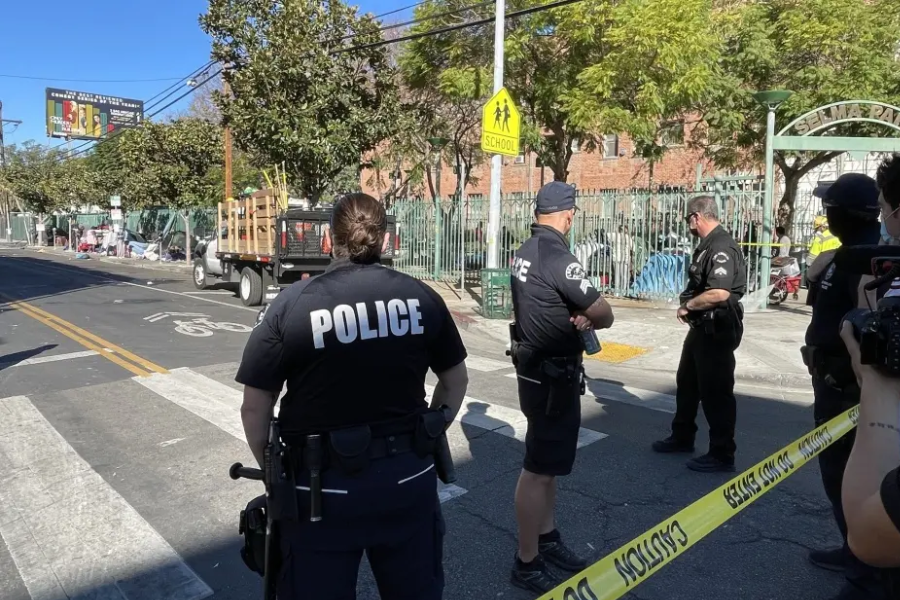
Early cooperation between police, council officers, and traveller liaison officers can speed up resolution while maintaining fairness.
Community Education
Promoting understanding of traveller rights and culture through community programs can reduce stigma. When people understand the human side of travelling life, empathy replaces fear.
Infrastructure Investment
Creating designated transit sites in Hampshire would offer practical alternatives and help prevent unauthorized stops in community parks.
Council’s Pledge and the Path Ahead
The Fair Oak and Horton Heath Parish Council has promised to restore full access to Brookfield Park once the travellers vacate and safety checks are complete. The council has also pledged to review its current security policies to prevent future unauthorized entries.
Officials stressed that “dialogue and respect” remain at the heart of their approach — a statement reflecting both legal prudence and human sensitivity.
Residents, while understandably inconvenienced, have largely responded with patience and civility. Local families continue to enjoy other parks, including New Century Park, and council maintenance teams remain active across the parish.
Once the site is vacated, cleanup and restoration will begin immediately, ensuring Brookfield Park returns to normal use as soon as possible.
Conclusion
The Fair Oak traveller encampment at Brookfield Park serves as a case study in the complex realities of community life. It highlights the intersection between law, culture, and human rights, showing that public spaces are shared responsibilities requiring careful management and compassion.
For Fair Oak, the episode has brought temporary inconvenience and debate — but it has also prompted valuable reflection on how the community responds to diversity and challenge. Whether one views it as a disruption or a reminder of inclusion, it underscores that effective local governance requires patience, fairness, and empathy.
When the caravans eventually move on and the park reopens, Fair Oak will likely resume its normal rhythm — yet the lessons from this event will linger, shaping how the village and others like it handle future encounters between travellers and settled residents.
In every such case, the true test lies not only in how quickly authorities act but in how respectfully communities adapt. Fair Oak’s story, with its calm resilience and measured response, offers a glimpse of how coexistence — however complex — remains possible when respect guides every decision.





Post Comment