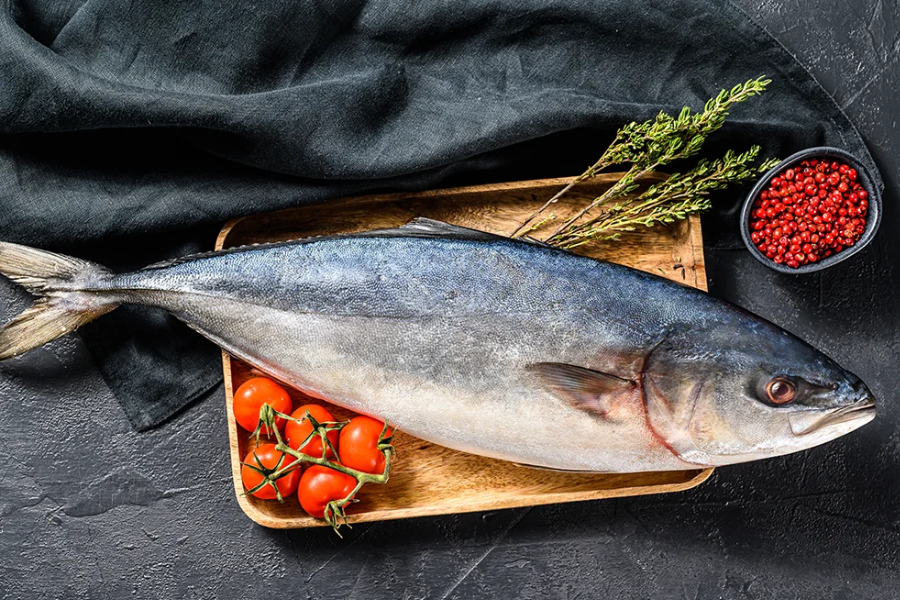
Skipjack Tuna: The Ocean’s Swift and Resilient Predator
Numerous species inhabit the water, and each is essential to the upkeep of marine ecosystems. The skipjack tuna (Katsuwonus pelamis) is one of the most prevalent, hardy, and commercially important tuna species worldwide. The skipjack tuna is a fascinating fish that has drawn the interest of scientists, fishery professionals, and seafood fans due to its speed, agility, and adaptability. The biology, behaviour, ecological significance, risks, and conservation activities of skipjack tuna are all well covered in this page.
Introduction to Skipjack Tuna

Despite being the smallest of the main commercial tuna species, skipjack tuna are also the most prevalent. Their torpedo-shaped, streamlined bodies are designed for speed and long-distance ocean navigation. Skipjack are visually different from other tuna species due to their dark purple-blue backs, silver lower sides, and bellies with four to six horizontal dark stripes. Adult skipjacks have a lifespan of eight to 10 years and can grow up to three feet in length and forty pounds in weight.
Skipjack tuna are mostly found in tropical areas of the Atlantic, Indian, and Pacific Oceans; they are most common close to the equator.
They are pelagic, meaning they live in open ocean waters rather than near the sea floor, and they are highly migratory. Skipjack tuna are known to swim near the surface at night, diving as deep as 850 feet during the day in search of prey or to avoid predators. These fish often form large schools, sometimes mixed with juvenile yellowfin and bigeye tuna, which has implications for both natural ecology and human fisheries.
Biology and Physical Characteristics
Skipjack tuna have evolved specifically to survive in the open ocean. Because of their almost scaleless bodies, they swim more efficiently and with less drag. Skipjacks are extremely successful predators because of their muscular, streamlined morphology, which enables them to swim at great speeds.
The distinctive dark bars on the belly of this species are used for both identification and camouflage. Clear, warm waters are optimal for skipjack survival because they seek mostly with their eyes. When seeking prey, their powerful caudal (tail) fins and torpedo-shaped bodies enable extensive migrations and quick chases.
Reproduction and Lifespan

The ability of skipjack tuna to reproduce is one of the most amazing features of their biology. In tropical environments, skipjack can reproduce year-round, in contrast to certain fish species that have seasonal breeding cycles. Each spawning event releases hundreds of thousands of pelagic eggs, which float freely in the open ocean until they hatch. When the larvae reach adulthood, they join schools of adult skipjack, which helps shield them from predators.
Compared to other tuna species, skipjack populations can rebound from fishing pressures more quickly thanks to this reproductive strategy and quick growth. Despite having a shorter lifetime than larger tunas, skipjacks continue to be among the most common tuna species in the world due to their rapid breeding.
Ecological Importance of Skipjack Tuna
As top predators in the marine food system, skipjack tuna are essential. Skipjack contribute to the equilibrium of ocean ecosystems by eating squid, prawns and smaller fish. Larger predators including sharks, marlins, and larger tuna species also eat them.
Smaller fish populations could increase unchecked in the absence of skipjack tuna, thereby upsetting the ecological balance. Additionally, skipjack migrations facilitate the flow of nutrients and energy over great distances, connecting different ocean ecosystems. In tropical and subtropical marine settings, skipjack tuna are essentially keystone species that affect populations of both predators and prey.
Commercial Importance

Since skipjack tuna is the main species utilised in canned tuna products, it is economically significant. Skipjack fishing is a major source of employment and revenue for many nations, including those in Southeast Asia, the Pacific Islands, and the Americas. Skipjack is one of the most commonly fished tuna species due to the worldwide demand for tuna.
There are many different ways to fish, from contemporary purse-seine operations to more conventional pole-and-line methods. While purse-seine techniques, particularly those including Fish Aggregating Devices (FADs), can result in increased bycatch of juvenile tuna, sharks, and other marine species, pole-and-line fishing is seen to be more environmentally sustainable and selective, yielding less bycatch.
Threats to Skipjack Tuna
Despite their abundance, skipjack tuna face several threats:
Overfishing
Skipjack tuna populations are currently healthy, but overfishing remains a significant concern. The intense demand for canned tuna and international seafood markets could quickly reduce numbers if fishing practices are not properly managed.
Bycatch
Juvenile yellowfin and bigeye tuna often school alongside adult skipjack. When commercial fisheries target skipjack with purse-seine nets, these juveniles are caught unintentionally, resulting in bycatch. Bycatch can affect the population dynamics of other tuna species and threaten overall ocean biodiversity.
Environmental Changes
Climate change, ocean warming, and habitat degradation pose long-term threats to skipjack tuna. Changes in water temperature can alter migratory routes, prey availability, and spawning behavior. Additionally, pollution and plastic waste in the oceans can harm skipjack through ingestion or habitat disruption.
Conservation and WWF’s Role
Organizations such as the World Wildlife Fund (WWF) and the International Seafood Sustainability Foundation (ISSF) work to promote responsible tuna fisheries and sustainable consumption practices. WWF partners with governments, regional fisheries management organizations, and the fishing industry to ensure skipjack and other tuna species are harvested responsibly.
Key conservation actions include:
- Advocating for stricter management plans to recover depleted tuna stocks.
- Promoting Marine Stewardship Council (MSC) certification for sustainably managed fisheries.
- Reducing bycatch through improved fishing technologies and practices.
- Raising consumer awareness about the importance of sustainably sourced tuna.
By supporting sustainable practices, consumers and fisheries can help ensure that skipjack populations remain healthy, preserving both ecological balance and economic livelihoods.
Human Interaction and Culinary Use
In addition to its ecological significance, skipjack tuna is prized for its gastronomic adaptability. Its meat is flavourful, darker, and high in omega-3 fatty acids and protein. It is frequently eaten canned, frozen, or fresh.
The main source of katsuobushi, the dried, smoked tuna flakes that make up dashi, a basic soup stock in Japanese cooking, is skipjack tuna. Around the world, skipjack tuna can be found in grilled foods, salads, sandwiches, and sushi. It is a mainstay in kitchens all across the world due to its rich flavour and adaptability.
Scientific Research and Monitoring
The biology and behaviour of skipjacks have become better understood thanks to contemporary research. Detailed travel patterns and habitat utilisation have been uncovered by satellite tagging, acoustic tracking, and electronic monitoring. In order to evade predators or locate prey, skipjacks have been spotted by scientists diving deep, sometimes covering thousands of km in a single trip.
Additionally, research helps manage fisheries by lowering bycatch and establishing sustainable catch limits. Skipjack tuna stocks are kept abundant and fishing methods are in line with ecological sustainability thanks to ongoing monitoring.
Cultural Significance
Skipjack tuna fishing is a cultural practice as well as an economic activity in many coastal towns. For instance, pole-and-line fishing techniques are a vital component of local identity and legacy in the Pacific Islands, where they are passed down through the generations. The strong human bond with this marine predator is shown by the fact that seasonal tuna migrations frequently align with cultural holidays and ceremonies.
Future of Skipjack Tuna
Consumer awareness and appropriate management are key to the future of skipjack tuna. Sustainable fishing strategies, such as selective fishing and adherence to international quotas, must be adopted by fisheries. Governments and organisations need to keep an eye on population trends and deal with issues like bycatch and climate change.
By selecting MSC-certified tuna products and endorsing companies that put sustainability first, consumers can also contribute. The health of the oceans and the availability of this vital seafood resource for future generations are both guaranteed by protecting skipjack tuna.
Conclusion
A robust, swift, and ecologically significant fish, skipjack tuna is essential to ocean ecosystems. Although it has flourished due to its abundance and adaptability, human activities like overfishing and bycatch still provide problems. The sustainability of skipjack tuna populations depends on conservation initiatives spearheaded by groups like WWF and ethical consumer decisions.
Skipjack tuna is a prime example of the delicate balance between human activity and marine nature, from its status as a top predator to its global culinary significance. Maintaining healthy oceans, sustaining livelihoods, and honouring the natural world that supports life on Earth are all important aspects of protecting this amazing species.
Frequently Asked (FAQ)
What is a skipjack tuna?
A: Skipjack tuna (Katsuwonus pelamis) is a small but abundant species of tuna found in tropical and subtropical oceans. They are known for their speed, schooling behavior, and importance in the global seafood industry.
Where are skipjack tuna found?
A: Skipjack tuna are mainly found in the Atlantic, Indian, and Pacific Oceans, particularly near the equator. They prefer warm, open waters and are highly migratory.
How big do skipjack tuna get?
A: Adult skipjack tuna can grow up to three feet in length and weigh around 40 pounds. They are smaller than other commercial tuna species like yellowfin or bluefin.
What do skipjack tuna eat?
A: Skipjack are opportunistic predators, feeding on small fish, squid, and crustaceans such as anchovies, sardines, and shrimp. Their diet helps maintain the balance of the marine food chain.
How long do skipjack tuna live?
A: Skipjack tuna typically live for eight to ten years in the wild.
Why are skipjack tuna important?
A: Skipjack tuna are a key predator in the ocean, maintaining ecological balance. They are also the most commonly used species in canned tuna, providing food and livelihoods worldwide.
What threats do skipjack tuna face?
A: The main threats are overfishing and bycatch. Juvenile yellowfin and bigeye tuna often school with skipjack, and may be caught unintentionally. Environmental changes, such as ocean warming, also pose long-term risks.
Are skipjack tuna sustainable?
A: Skipjack tuna are generally more resilient than other tuna species. Sustainability depends on proper management, including MSC-certified fisheries, responsible fishing methods, and adherence to quotas.
Can skipjack tuna reproduce year-round?
A: Yes, skipjack tuna can spawn throughout the year in tropical waters, releasing hundreds of thousands of eggs per spawning event. This allows populations to recover relatively quickly.
How can consumers help protect skipjack tuna?
A: Consumers can choose sustainably sourced tuna, such as products certified by the Marine Stewardship Council (MSC). Supporting sustainable fishing practices helps preserve skipjack populations and marine ecosystems.





Post Comment