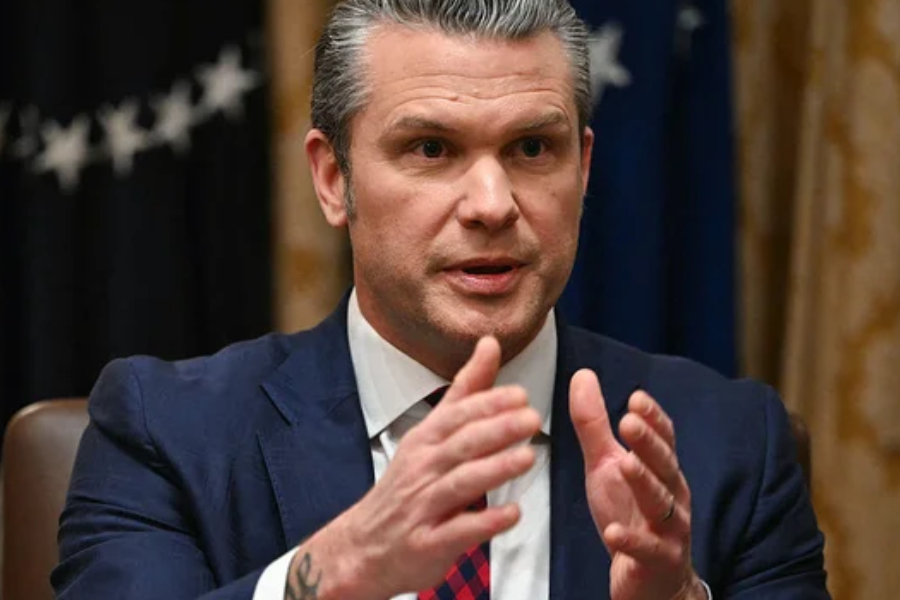
Pentagon’s Signalgate: A Deep Dive into the Controversy and Its Impact on U.S. National Security
In early 2025, a controversy erupted inside the U.S. Department of Defense that quickly turned into one of the most talked-about national security scandals of the year. Known widely as “Pentagon’s Signalgate,” the incident centered around Defense Secretary Pete Hegseth and the use of the encrypted messaging app Signal to discuss sensitive details related to planned U.S. military strikes in Yemen. What started as a small digital misjudgment soon evolved into a complex political, military, and ethical storm.
The Signalgate scandal touches on several crucial issues: the security of military communication, the responsibilities of high-ranking officials, the dangers of technological misuse, and the consequences of breaking protocol—even unintentionally. In this in-depth article, we explore everything about Signalgate: what happened, why it matters, and what it means for the future of U.S. defense operations.
How Signalgate Began
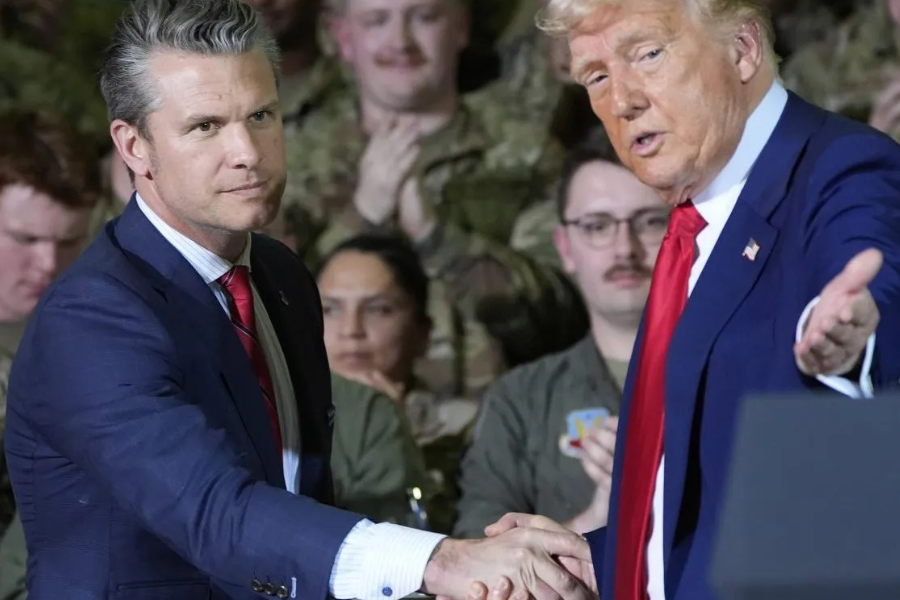
The origins of Signalgate trace back to March 2025, when the U.S. was preparing a series of strikes against Iran-backed Houthi forces in Yemen. These operations required strict secrecy, advanced planning, and secure communication among top national security officials.
However, instead of relying solely on secure, government-approved systems, Defense Secretary Pete Hegseth reportedly shared key details about the operation—including timing and target information—in a group chat hosted on Signal. Although Signal is encrypted, it is still a commercial messaging application not cleared for classified military communication.
The situation took a dramatic turn when an editor from a major magazine was accidentally added to the chat and was able to view sensitive messages. Screenshots later surfaced publicly, sparking immediate uproar across Washington.
What the Investigation Found
The Department of Defense Inspector General conducted an eight-month investigation into the matter. The findings concluded that:
Classified Information Was Shared
The investigation found that the material Hegseth posted within the chat had been officially marked as “secret.” This classification means the information could cause serious harm to national security if exposed. Sharing it over a non-classified platform—even if encrypted—violated strict handling rules.
Personal Devices Were Used Improperly
Hegseth used his personal phone to conduct official national security business. Pentagon regulations prohibit using personal devices for classified content. This rule exists to prevent hacking, interception, or accidental leaks.
Operational Security Was Put at Risk
The shared messages reportedly contained details such as:
- When U.S. fighter jets would take off
- When they would reach their targets
- The nature of the targets being hit
If intercepted by hostile actors—even by accident—this could have endangered pilots, jeopardized the mission, or revealed U.S. strategy.
nvestigators Were Not Given Full Access
When investigators requested the full set of Signal conversations, Hegseth only provided a small portion. Most of the evidence they relied on came from publicly released screenshots.
Declassification Power Does Not Excuse Unsafe Communication
Although the defense secretary does have authority to classify and declassify information, that authority does not permit sharing sensitive content through unapproved platforms. Proper declassification has a process and a paper trail, neither of which was found.
How Hegseth Responded
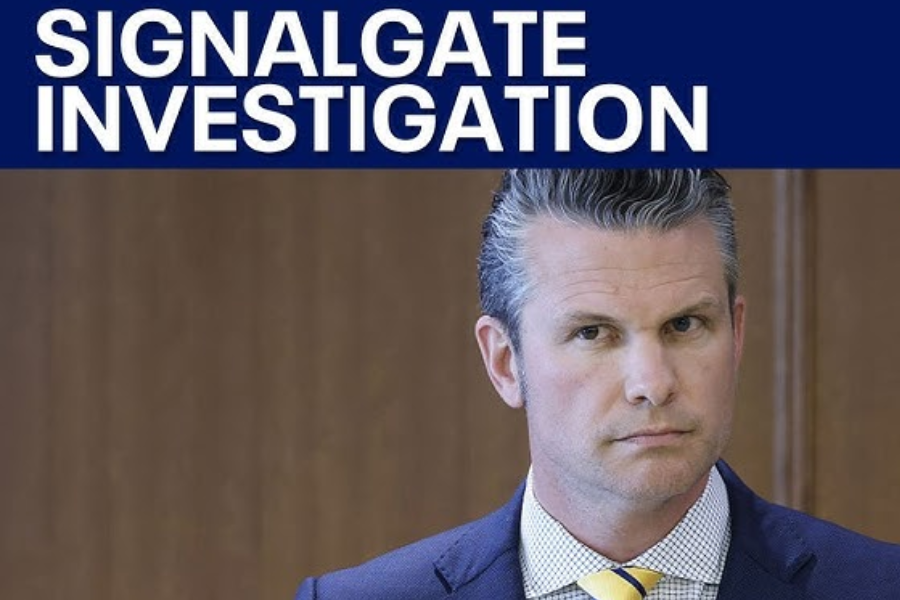
Following the release of the findings, Hegseth publicly insisted that he had done nothing wrong. He stated that he had shared no classified information and that the investigation proved this. He also insisted that operational security was never compromised.
The White House also stood behind him, saying the review confirmed their view that no classified leak occurred.
But members of Congress who reviewed the report expressed concerns, with some suggesting that violating Department of Defense regulations is itself serious—even if the shared content was later claimed to be harmless.
Why Signalgate Matters
Signalgate is about more than a single mistake. It highlights deep, systemic issues and raises questions that go far beyond one official or one mission.
Vulnerability in U.S. Military Communication
Modern warfare requires airtight communication. Every detail—timing, technique, movement of aircraft—must be kept secure. Sharing such details on a personal device puts national security on thin ice.
The fact that a journalist accidentally joined the chat shows how fragile even elite communication networks can be if misused.
Rules Must Apply to Everyone
Enlisted soldiers and officers alike must follow strict communication rules. If a junior officer had shared secret strike plans on a personal phone, the consequences would have been immediate and severe.
Allowing different rules for higher officials damages trust within the military system.
Human Error Is Often the Weakest Link
Signalgate wasn’t caused by hacking, foreign espionage, or cyber-warfare—it was caused by:
- casual communication habits
- mixing personal and official channels
- misplaced trust in consumer technology
This proves that even advanced, encrypted apps can become a danger if not used correctly.
It Exposes Flaws in Leadership Culture
The willingness to use informal communication for serious operations shows a casual attitude that could have devastating effects. Leadership culture shapes behavior across the military, and when leaders ignore protocol, the consequences trickle down.
National Security Requires Accountability
Without accountability, mistakes can repeat—and enemies pay attention. Nations observing the incident may conclude that U.S. communication systems can be compromised with ease.
The Political Fallout
Signalgate created waves throughout Washington.
Congressional Oversight
Members of the Armed Services and Intelligence Committees demanded clarity. Some called the behavior reckless and said further legal evaluation may be necessary.
Media Scrutiny
News outlets across the political spectrum covered the controversy extensively, emphasizing the risks posed to American troops.
Defense Department Tension
The incident caused concern among senior military leaders, many of whom rely on strict protocol to keep forces safe.
Impact on Troops and Military Personnel
The most important aspect of Signalgate is the potential danger faced by U.S. servicemembers. Sharing the timing of airstrikes could have:
- allowed enemies to prepare
- enabled counter-attacks
- increased the chance of pilots being shot down
Every soldier depends on secure communication from those in command. When leadership fails to protect that trust, morale and confidence can suffer.
What This Means for Future Military Operations
Signalgate will almost certainly lead to reforms, including:
1. Stricter Enforcement of Communication Rules
The Pentagon is expected to reinforce training on digital security and impose harsher consequences for noncompliance.
2. New Policies on Personal Devices
Personal phones may be banned from all high-level planning discussions.
3. Increased Monitoring
Oversight of senior officials’ communication methods may become standard.
4. Technologies Built for Government Use
More secure, government-regulated apps and platforms will be developed to reduce reliance on commercial tools like Signal or WhatsApp.
Lessons Learned from Signalgate
Signalgate highlights important lessons for the military, government, and the public:
- Convenience must never override security.
- Even encrypted apps are not substitutes for classified systems.
- Rules must apply equally to all ranks and roles.
- Human error is the greatest weakness in national security.
- Transparency and oversight are essential for public trust.
Conclusion: A Scandal That Must Not Be Ignored
Pentagon’s Signalgate may have started as an accidental message in a group chat, but it quickly transformed into a symbol of how fragile national security can be when leaders fail to follow protocol. The scandal reminds us that in the digital age, information is power—and mishandling it can put lives at risk.
Whether or not further action is taken against those involved, Signalgate stands as a powerful warning: military operations cannot afford mistakes, and national security depends on discipline at every level.





Post Comment