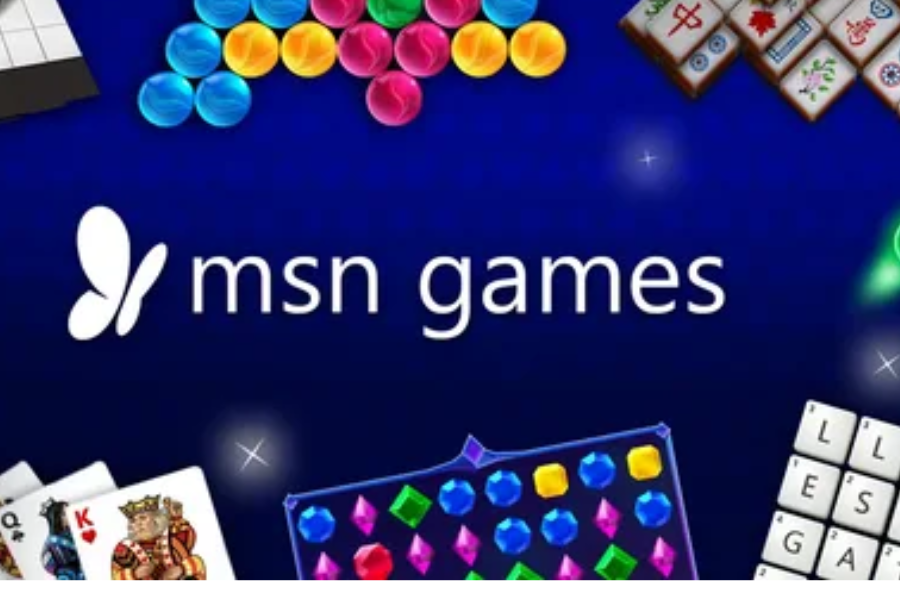
MSN Zone: The Complete Guide to Microsoft’s Iconic Online Gaming Platform
For many internet users who grew up in the early era of online gaming, MSN Zone holds a special place in memory. Before mobile gaming exploded and before today’s large-scale multiplayer platforms took over, MSN Zone—originally known as The Zone—was one of the most influential online gaming communities in the world. It brought together millions of players who enjoyed everything from classic card games to competitive strategy titles. Over time, it evolved into a space where players connected, competed, and formed friendships across continents.
Even today, the term MSN Zone sparks nostalgia and curiosity. What made it so popular? Why did it disappear? And how does its legacy still influence modern online gaming? This comprehensive guide explores the full journey of MSN Zone—its history, features, top games, cultural impact, closure, and what alternatives exist today for players who want a similar experience.
What Was MSN Zone? A Look Back at the Early Days
MSN Zone was Microsoft’s online gaming service, launched in the mid-1990s during a time when online gaming was still new and experimental. Its original purpose was simple: to provide a platform where users could play games together over the internet. But it quickly became more than that—it grew into a thriving online community with millions of active players.
Origins as “The Zone”

Before becoming MSN Zone, the service began as The Microsoft Zone, offering a collection of popular PC games and classic titles. It provided multiplayer matchmaking, chat rooms, leaderboards, and tournaments. These features were revolutionary at the time, helping shape the structure of modern gaming platforms.
What made The Zone stand out was its accessibility. Players could join without needing expensive subscriptions or advanced equipment. A computer and an internet connection were enough to access a huge library of games.
The Transition to MSN Zone
As Microsoft expanded its MSN portal, The Zone became fully integrated into the MSN brand, eventually becoming MSN Games and MSN Zone. This shift aligned the gaming platform with MSN’s news, email, and entertainment ecosystem. The interface became more user-friendly, and the game library expanded.
By the early 2000s, MSN Zone was one of the most visited gaming websites on the Internet, attracting casual gamers, competitive players, and families looking for simple, relaxing entertainment.
Why MSN Zone Became So Popular
MSN Zone succeeded because it offered something rare at the time—community-driven online entertainment that combined accessibility with variety. It appealed to every type of gamer.
A Wide Variety of Games
One of MSN Zone’s biggest strengths was its vast collection of games, ranging from simple puzzles to high-intensity multiplayer titles. Players could enjoy:
- Card games (Spades, Hearts, Bridge)
- Puzzle and board games
- Trivia and word games
- Action adventures
- Role-playing games (RPGs)
- Flight simulators
- Real-time strategy (RTS) classics
This diversity allowed MSN Zone to attract a large and diverse audience.
Multiplayer Made Simple
In the early internet era, playing multiplayer games was complicated—users often needed direct IP connections, third-party software, or LAN setups. MSN Zone changed that. It simplified the process with features such as:
- Automatic matchmaking
- Chat rooms for lobbies
- Game-specific forums
- Easy join options
This ease of use helped players—especially beginners—enter the world of online gaming without frustration.
A Strong Sense of Community
MSN Zone wasn’t just about gaming. Its chat rooms, message boards, and tournaments made it a vibrant social hub. Many players built lasting friendships and found a sense of belonging in its community-driven environment.
In many ways, MSN Zone was an early version of what Discord, Steam, and Xbox Live have become today.
The Most Popular Games on MSN Zone
MSN Zone hosted some of the most iconic PC games in history. Many of these titles still have loyal fanbases today.
Card and Puzzle Games
MSN Zone became famous for its collection of casual games, which appealed to players of all ages.
Popular titles included:
- Spades Online
- Hearts
- Solitaire variations
- Bridge
- Dominoes
- Mahjong Solitaire
These games were light, easy to learn, and perfect for quick sessions at home or during breaks at work.
Real-Time Strategy (RTS) Classics
MSN Zone became the home of several legendary strategy games:
- Age of Empires Series
- Age of Kings
- Total Annihilation
- Empire Earth
Thousands of players spent countless hours strategizing, battling, and competing in intense matches that helped shape the competitive RTS scene.
Flight Simulator Community
One hidden gem of MSN Zone was the Flight Simulator lobby, where aviation enthusiasts connected to play and talk. Microsoft Flight Simulator players joined multiplayer sessions, shared custom content, and hosted virtual events that are still remembered today.
Multiplayer Action Titles
Games like:
- MechWarrior 4
- Outwars
- Asheron’s Call
helped MSN Zone attract a more advanced gaming audience and laid the groundwork for modern multiplayer gaming communities.
The Rise and Fall of MSN Zone
Like many early internet platforms, MSN Zone eventually began to decline. Several factors contributed to its closure.
Growing Competition
As new gaming platforms emerged, such as:
- Steam
- Xbox Live
- Battle.net
- PlayStation Network
MSN Zone struggled to keep up with modern features like voice chat, advanced matchmaking, and high-definition graphics.
Technical Limitations
The platform was built during a time when internet speeds and PC hardware were limited. As technology evolved, the MSN Zone framework became outdated, making upgrades difficult.
Security Challenges
Older online systems are more vulnerable to hacking and cheating. Maintaining secure multiplayer servers for older games became increasingly expensive and impractical.
Microsoft’s Strategic Shift
Microsoft eventually focused on its newer platforms, especially Xbox Live, which offered more advanced multiplayer capabilities. With limited investment in MSN Zone, the platform’s decline was inevitable.
Shutdown Timeline
- Many classic MSN Zone multiplayer lobbies were shut down in the late 2000s.
- MSN Games continued offering casual browser games for years.
- Over time, much of the original MSN Zone ecosystem was retired.
Although the platform is no longer active in its original form, its influence remains strong in modern online gaming.
How MSN Zone Impacted Today’s Gaming Industry
MSN Zone helped build the foundation for many of today’s gaming trends. Its legacy can be seen in almost every corner of the modern gaming world.
Early Online Multiplayer Innovations
Features like:
- matchmaking
- chat lobbies
- online tournaments
- rankings and leaderboards
were pioneered by MSN Zone long before they became standard in gaming.
Birth of Online Gaming Communities
Many of today’s massive communities—on platforms like Discord, Steam, and Xbox—owe some of their roots to the social models created by MSN Zone.
The Evolution of Casual Gaming
MSN Zone proved that casual games like Solitaire, Mahjong, and Spades could attract huge audiences. This paved the way for:
- mobile gaming
- browser games
- app-based casual gaming
- social media gaming
The casual gaming industry today is worth billions—and MSN Zone helped spark it.
Modern Alternatives to MSN Zone
Although MSN Zone no longer exists in its original form, many modern platforms offer similar experiences.
For Casual Games
- MSN Games (modern version)
- Pogo
- Arkadium
- AARP Games
- Facebook Gaming
These sites offer card games, puzzles, and multiplayer classics.
For Strategy Games
- Steam
- Age of Empires Online servers
- GameRanger
- Voobly (popular for classic Age of Empires)
These services allow competitive RTS gaming similar to the old MSN Zone days.
For Chat-Based Gaming Communities
- Discord
- Steam Community
- Xbox Live
- Reddit gaming forums
These platforms offer communication tools that MSN Zone helped popularize.
FAQs About MSN Zone
1. What was MSN Zone used for?
MSN Zone was an online gaming platform where users played multiplayer games, joined chat rooms, and participated in tournaments.
2. Is MSN Zone still active today?
Not in its original form. Some MSN Games still exist, but the original Zone multiplayer servers were shut down.
3. What games were most popular on MSN Zone?
Age of Empires, Spades, Hearts, Flight Simulator lobbies, and several strategy and action titles dominated the platform.
4. Why did MSN Zone shut down?
A combination of outdated technology, rising competition, maintenance costs, and Microsoft shifting focus to newer platforms like Xbox Live.
5. Are there alternatives to MSN Zone?
Yes—Steam, GameRanger, Pogo, Discord, and modern MSN Games all offer similar experiences depending on your preferred game types.
Key Takeaways
- MSN Zone was one of the most influential online gaming platforms in early internet history.
- It offered a wide variety of games, user-friendly matchmaking, and a strong sense of community.
- Games like Age of Empires, Spades, and Flight Simulator found massive audiences on the platform.
- Declining technology, competition, and Microsoft’s focus on Xbox contributed to its shutdown.
- Modern gaming platforms still reflect MSN Zone’s legacy in multiplayer features and community design.
- Alternatives exist today for players seeking casual, strategy, or community-based gaming experiences.
Conclusion
MSN Zone may no longer exist in its original form, but its impact on online gaming is undeniable. It introduced millions of players to the world of multiplayer entertainment and helped shape the structure of modern gaming communities. From casual card games to intense real-time strategy battles, MSN Zone offered something for everyone and created memories that live on decades later.
Today’s gaming landscape—with its fast matchmaking, social features, and massive online communities—owes much to the innovations pioneered by MSN Zone. Whether you’re exploring modern alternatives or simply revisiting digital nostalgia, understanding the legacy of MSN Zone helps you appreciate how far gaming has come.




Post Comment