Trump Federal Hiring Freeze Extension: What It Means for America in 2025
The discussion surrounding the Trump federal hiring freeze extension has once again stepped into the national spotlight, reminding Americans of how deeply federal employment policies influence the structure, speed, and efficiency of government operations. The idea of freezing hiring in government agencies may look like a simple administrative move on the surface, but in reality, it is a deeply meaningful policy with long shadows that stretch across public services, economic planning, workforce stability, and political philosophy. As Trump’s approach to governance continues to shape debates, the renewed focus on extending a federal hiring freeze reflects larger conversations about what size, shape, and character the federal government should have in the future.
Understanding the Federal Hiring Freeze in Trump’s Vision
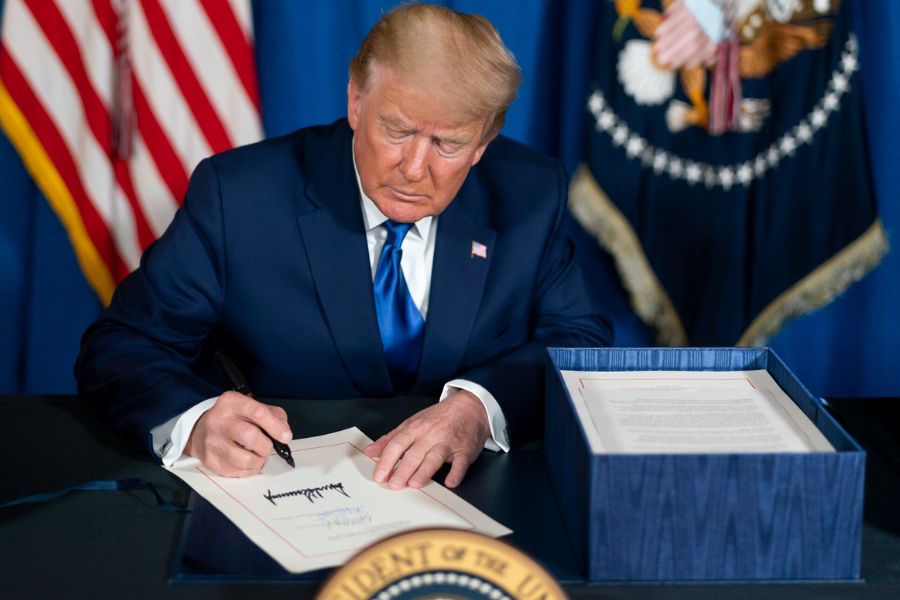
To understand the extension, it’s necessary to revisit the purpose behind the original freeze. When Trump first entered office, he emphasized cutting government waste, slowing the growth of federal departments, and reorganizing agencies that had grown heavy with overlapping responsibilities. A hiring freeze became a symbolic and practical step toward this goal. It immediately halted new employment across most federal offices, aside from essential national security and safety roles, giving the administration time to assess where inefficiency had taken root. The freeze was not simply a budgetary move; it was intended as a broader cultural shift inside the federal system, signaling that unchecked expansion was no longer acceptable.
The extension of this freeze continues that philosophy, pushing agencies to rethink whether every vacancy truly needs to be filled and whether departments have become reliant on roles that no longer match the country’s evolving needs. For Trump’s supporters, this extension represents a return to disciplined governance where taxpayer dollars are protected, and government employment is viewed through the lens of necessity rather than tradition.
Why the Extension Matters Now More Than Ever
The renewed interest in extending the hiring freeze comes at a time when the federal workforce is already strained, with retirements increasing and workloads shifting due to technological changes. Extending the freeze forces a deeper conversation about how much government oversight is truly needed in a digital age. It brings forward the question of whether agencies should continue expanding staff or whether the future lies in modernized systems, automation, outsourcing, or new workflows that reduce the need for a continuously growing employee base.
At the same time, supporters argue that federal spending has reached a level where restraint is unavoidable. With budgets rising and federal obligations growing in nearly every sector, extending the freeze becomes a way to place firm boundaries on hiring without sudden layoffs or disruptive cuts. For many Americans who believe the government has grown too large, the freeze represents a necessary pause for re-evaluation.
Critics, however, believe that extending the freeze could slow essential government functions, delay public services, and overwhelm existing employees who already carry heavy workloads. For them, the idea of a hiring freeze extension feels less like fiscal discipline and more like a roadblock to effective governance. This ongoing divide illustrates just how politically charged the subject has become.
The Impact of a Federal Hiring Freeze on Government Agencies
Whether someone supports or opposes the freeze, no one can deny its real effects on government agencies. When vacancies cannot be filled, existing employees are expected to carry workloads that were previously shared across several people. This can lead to longer processing times, reduced efficiency, and increased burnout, especially in agencies that deal with complex tasks or high public demand. The extension of Trump’s freeze would mean prolonging these challenges, making it even harder for agencies to catch up on delays or modernize their operations.
For agencies that operate smoothly only with full staffing, such as those handling public benefits, immigration processing, veterans’ affairs, or environmental reviews, the freeze becomes more than a budgetary tool. It becomes a direct influence on the speed and quality of public service. A long-term freeze may also impact morale, as existing employees feel the pressure of doing extra work without the promise of reinforcements.
Still, supporters maintain that these periods of workforce pressure can push agencies to innovate, adopt digital tools, and eliminate outdated processes. They argue that without the pressure to change, large institutions often fall behind and lose the incentive to modernize.
How the Freeze Extension Fits into Trump’s Broader Administrative Philosophy
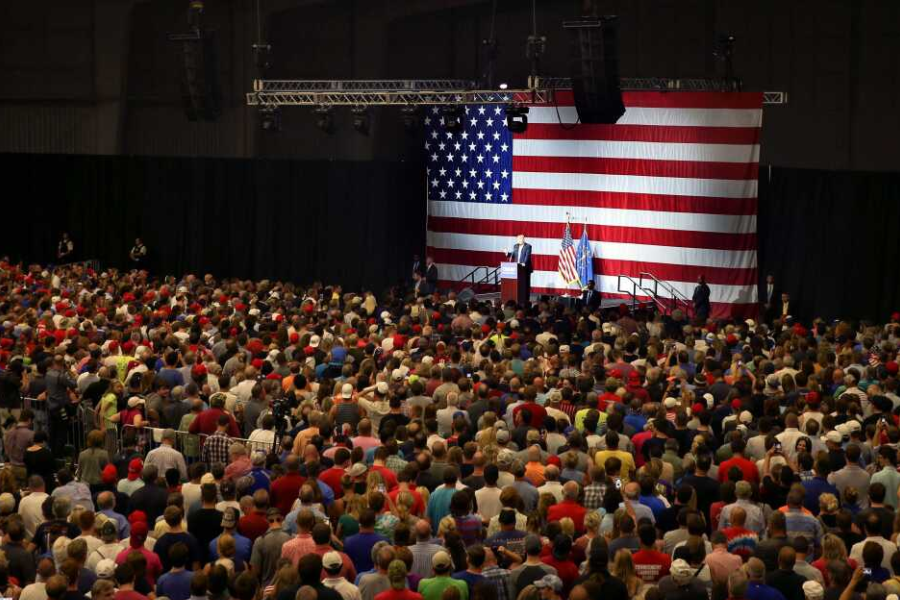
The Trump federal hiring freeze extension cannot be separated from his larger political message. Throughout his political career, Trump has emphasized reducing bureaucracy, shrinking the federal footprint, and protecting taxpayers from what he considers unnecessary government bloat. To his supporters, extending the hiring freeze proves his commitment to limiting the size of government and holding agencies accountable for overspending.
The freeze fits into his long-standing narrative of challenging the traditional structure of Washington. By limiting hiring, Trump forces agencies to justify every position, every department, and every new expansion. Instead of allowing growth by default, the extension demands growth by justification. This approach has built a loyal base that believes the federal workforce should be lean, efficient, and responsive rather than large, slow, and expensive.
The Effects on Job Seekers and the Federal Workforce Pipeline
A hiring freeze extension affects more than government workers; it influences thousands of job seekers who hope to join the federal workforce every year. Many students, graduates, and experienced professionals view federal employment as stable, respected, and impactful. When a freeze is extended, these individuals find fewer opportunities, delayed hiring cycles, and reduced chances of entry into public service.
The extended freeze can also disrupt long-term workforce planning. Many federal employees are nearing retirement age, and without new hires to replace them, agencies may face major staffing gaps in the near future. This could lead to a loss of institutional knowledge that takes decades to build.
For those already employed in government, the freeze may create both anxiety and opportunity. Some employees feel overwhelmed by increased workloads, while others see the freeze as an opportunity to take on more responsibility, demonstrate leadership, and advance more quickly.
Economic and Political Reactions to the Hiring Freeze Extension
The extension generates strong reactions from different groups. Fiscal conservatives applaud it as a necessary measure that reins in government spending. Labor unions condemn it as a harmful decision that pressures employees and delays essential public services. Economists are divided, with some arguing that reducing government employment can help balance budgets and others warning that insufficient staffing can harm economic stability if government functions slow down.
In the political arena, the freeze becomes a symbol. To Trump allies, it represents discipline and strength. To his critics, it reflects rigidity and ideological stubbornness. The debate is not just about the freeze itself but about the American government’s identity and priorities.
Frequently Asked Questions (FAQ)
What is the Trump federal hiring freeze extension?
It is a continuation of Trump’s original hiring freeze policy, which limits new federal hires across most agencies to control growth and spending.
Does the freeze affect every federal job?
No, essential positions related to national security, safety, and critical operations may still be filled.
Why is the freeze being extended?
Supporters argue it is needed to control government expansion, reduce waste, and evaluate workforce needs before hiring continues.
How does the freeze impact public services?
It may slow processing times, increase workloads, and delay services depending on the agency.
Who is most affected by the freeze?
Job seekers, new graduates, retiring agencies, and employees working in departments with high workloads.
Key Takeaways
The Trump federal hiring freeze extension continues a long-standing debate about the size and efficiency of the federal government. It slows government growth, forces agencies to evaluate staffing needs, and reflects Trump’s broader vision of reducing bureaucracy. However, it also creates pressure on workers, slows public services, and affects the federal job market.
Conclusion
The conversation around the Trump federal hiring freeze extension captures a fundamental debate about how government should function in modern America. For supporters, the extension represents fiscal responsibility, discipline, and a push toward eliminating inefficiency. For critics, it signals stress on federal workers, delays in public service, and a missed opportunity to strengthen government capacity in an increasingly complex world. Regardless of where one stands, the freeze is more than a policy—it is a reflection of contrasting visions for the nation’s future. As the debate continues, the extension will remain central to the broader discussion about reforming government, modernizing services, and shaping America’s administrative identity for years to come.





Post Comment