
Ракитовица: The Resilient Reed Weaving Through Bulgarian Culture, Craft, and Identity
Introduction: Unraveling a Word, Discovering a World
A single word can be a vessel for an entire culture. In the rich tapestry of the Bulgarian language and the wider Slavic world, the term “ракитовица” (rakitovitsa) is one such vessel—deceptively simple on the surface yet profoundly deep in its meaning. At its most direct, it refers to a place where the resilient ракита (rakita), or a species of willow or reed, grows in abundance. But to stop there would be to miss the entire story. Ракитовица is more than a botanical designation; it is a living symbol of adaptation, a testament to traditional craftsmanship, and a geographical marker that roots communities to their natural environment. It represents the ingenious human tradition of weaving this pliant, tenacious plant into the very fabric of daily life—creating baskets, fences, furniture, and even homes. This article delves into the multifaceted identity of ракитовица, exploring its botanical roots, its transformation through human hands into objects of utility and beauty, and its enduring presence in the cultural and physical landscape of Bulgaria. We will trace its journey from the damp riverbanks to the skilled hands of artisans and into the heart of a heritage that continues to pulse with life, examining why this humble plant has become an enduring emblem of resilience and creativity.
The Botanical Foundation: What is Ракита?
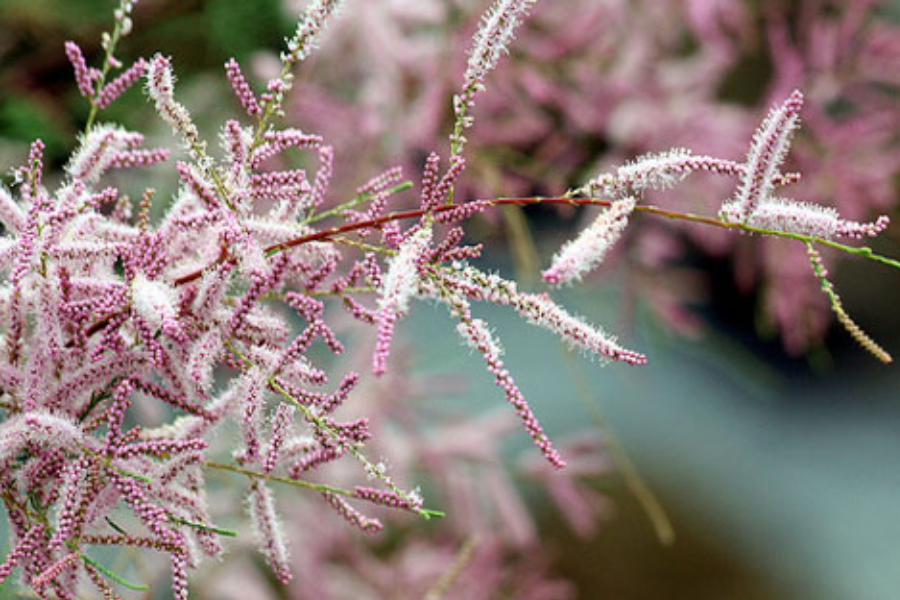
To understand ракитовица, one must first know the ракита. This term does not point to a single plant but rather envelops several species of deciduous shrubs and small trees from the genus Salix (willow), commonly found thriving in the humid, riparian zones of Bulgaria and the Balkans. Picture the landscapes: the banks of the Maritsa River, the edges of the Danube, or the moist soils near the Black Sea coast. Here, you will find these plants, their flexible branches swaying with a distinctive grace.
The most common species referred to as ракита include the White Willow (Salix alba) and various forms of Basket Willow (Salix viminalis). These plants share key characteristics that have made them invaluable to humans for millennia. Their most notable feature is their long, slender, and incredibly flexible shoots—often called “withies” or “osiers” in English. These one-year-old stems can be bent and twisted without snapping, a quality that is the very foundation of the weaving craft. Furthermore, these willows are pioneer species, known for their rapid growth and ability to stabilize soil and prevent erosion along vulnerable waterways. They are nature’s own engineers, protecting the land while providing a renewable, annual harvest of raw material. This botanical resilience mirrors the cultural resilience they later come to symbolize.
From Plant to Craft: The Birth of Traditional Weaving
The leap from recognizing a plant’s properties to mastering its manipulation is where human culture begins to intertwine with nature. The tradition of weaving ракита is ancient, predating written history in the region. It emerged not as a decorative art initially, but as a solution to fundamental needs—the need for containers, for storage, for shelter, and for tools.
The process is seasonal and rhythmic, tied to the agricultural calendar. The prime material is harvested in the late autumn or winter, after the leaves have fallen and the sap has retreated, concentrating the wood’s strength and flexibility. Artisans, often with knowledge passed down through generations, would select the straightest, longest shoots. These would then be processed, sometimes by soaking in water to enhance pliability further—a technique known as “retting.” The prepared withies, ranging in color from a pale, creamy yellow to a rich, earthy brown depending on the species and treatment, are then ready for the weaver’s hand.
The weaving techniques themselves are a language of their own. The most common method is the “randing” or “stake and strand” technique, where a framework of sturdier rods (the stakes) is established, and the more flexible withies (the weavers) are woven in and out to build up the body of an object. Patterns emerge from the sequence of the weave—over one, under one for a simple check, or more complex twills and patterns for strength and decoration. This craft required no sophisticated tools, only a sharp knife, skilled hands, and an intuitive understanding of tension, form, and the living material itself. Every coiled basket, every sturdy кош (kosh) for carrying grapes during the harvest, began here, in this intimate dialogue between human ingenuity and the gifts of the ракитовица.
The Material Culture: Objects Woven into Daily Life
The products of the ракитовица craft were not museum pieces; they were the unsung heroes of pre-industrial Bulgarian life, ubiquitous and essential. Their forms were dictated by function, and their beauty lay in their honest utility and the organic, textured patterns of the weave.
- Containers and Baskets: This was the most extensive category. Large, sturdy кошове (koshove) were used for harvesting everything from grapes and tomatoes to wool and grain. Smaller, finely woven baskets served in the home for storing bread, carrying shopping, or holding sewing supplies. Each shape was perfectly adapted to its task—wide and shallow for winnowing, tall and narrow for transporting bottles, or with a close weave for holding flour.
- Furniture and Household Items: The strength of woven willow made it suitable for larger structures. Cradles (люлки) were famously woven from ракита, their gentle give and natural breathability creating a safe, comfortable nest for infants. Chairs, stools, and even beds were constructed, often with wooden frames and woven seats or panels. Household screens, laundry baskets, and lampshades extended the craft into domestic spaces.
- Agricultural and Fishing Tools: The practicality of the craft extended directly into work. Fences and gates for gardens and pens were woven from willow, creating effective, renewable barriers. Fish traps and creels were masterfully crafted with funnel-shaped entries that allowed fish to enter but not escape, demonstrating a sophisticated understanding of both material and form. Beehives (кошери) were sometimes woven and coated with clay, providing natural insulation for bee colonies.
- Architectural Elements: In some regions, the craft scaled up to architecture. Wattle, a lattice of woven rods (often willow), was used as the foundational walling in wattle and daub construction. The wattle provided the structure, which was then covered (“daubed”) with a mixture of clay, straw, and dung to create weatherproof walls for homes and outbuildings. Thus, the ракитовица could literally form the walls of one’s home.
This material culture created a circular, sustainable economy. Objects were used until they wore out, then composted or used as kindling, returning to the earth. New ones were made from the annual harvest of a local, regenerative resource. It was a perfect model of vernacular sustainability, long before the term was coined.
Cultural Symbolism and Folkloric Presence
Beyond its physical utility, ракитовица and the ракита plant wove themselves into the symbolic and spiritual fabric of Bulgarian folklore. Its cultural meanings are as flexible and resilient as its branches.
- Symbol of Resilience and Flexibility: Just as the willow bends in the storm but rarely breaks, it became a metaphor for the Bulgarian spirit—the ability to endure hardship, adapt, and survive through centuries of foreign rule and challenge. This symbolism resonates deeply in proverbs and folk wisdom.
- Connections to Ritual and the Cycle of Life: The willow has ancient associations with water, the moon, and intuition. In Bulgarian folk traditions, willow branches were and are used in rituals related to health and fertility. A famous spring ritual involves making and wearing bracelets of red and white thread (Мартеници) on March 1st, which are later tied to the branch of a fruit tree or a ракита. This act symbolizes the transfer of health, vitality, and new growth from the awakening natural world to the people. The connection of the woven cradle to new life further strengthens this link to cycles of birth and renewal.
- A Marker of Simplicity and Resourcefulness: To have a skill “to weave a basket from ракита” was a mark of basic, essential competence and resourcefulness. It represented self-sufficiency and a deep, practical connection to one’s immediate environment. The craftsman who could transform a handful of damp branches into a perfect, watertight container was held in quiet respect.
- The Folklore of Places: As a geographical term, a place named Ракитовица or similar evokes an immediate sensory image. It tells of a landscape defined by water, soft light filtering through slender leaves, the sound of wind in the reeds, and the specific, moist smell of a riparian ecosystem. These places in folklore are often settings for tales of reflection, encounters with nature spirits (самовили), or quiet, pastoral life.
The Geographical Imprint: Places Named Ракитовица
The bond between people and this plant is permanently etched onto the map. Across Bulgaria and in parts of Serbia, North Macedonia, and other Slavic regions, one finds villages, hamlets, localities, and geographical features named Ракитовица, Ракитница, or Ракита. This is not a coincidence but a classic example of toponymy (the study of place names) revealing historical land use.
A settlement named Ракитовица almost certainly originated in an area where these willows or reeds grew in such profusion that they became the defining characteristic of the place. It indicates that the early settlers identified their new home through this resource. Furthermore, it strongly suggests that the craft of weaving was a central part of the local economy and identity from the community’s foundation. These places were likely known to neighboring regions as sources of high-quality baskets, mats, or other woven goods. Today, a village like Rakitovo in the Rhodope Mountains, or the many smaller locales, carries this history in its name—a living reminder of an ecological and economic relationship that shaped its beginnings. Visiting such a place, one is walking in a landscape that was once a natural workshop and a renewable warehouse.
The Craft in the Modern World: Challenges and Revival
The 20th century brought profound challenges to traditional crafts like ракитовица weaving. Industrialization, urbanization, and the influx of cheap plastic goods rendered many handmade utilitarian objects economically non-viable. The knowledge, once passed from grandparent to parent to child, began to fade as younger generations moved to cities for education and factory jobs. By the late 1900s, the craft risked becoming a forgotten relic, practiced only by a dwindling number of elderly artisans in rural areas.
However, the 21st century has witnessed a significant, multifaceted revival. This renaissance is not about recreating the past but reinterpreting the tradition for a new context. Several key forces are driving this:
- The Cultural Heritage and Tourism Movement: Organizations like Bulgaria’s Ministry of Culture and the Regional Ethnographic Museums have played a crucial role. They began systematically documenting techniques, interviewing master craftsmen, and declaring the craft an important part of the Intangible Cultural Heritage of the nation. Museums in Plovdiv, Sofia, and open-air museums like Etar showcase historical and contemporary pieces, educating the public.
- The Artisan and Design Revival: A new generation of designers and makers is rediscovering ракита. They are marrying traditional techniques with modern aesthetics and functions. One no longer finds only harvest baskets but also elegant contemporary lamps, sculptural wall art, designer furniture, and fashionable accessories. These artists, such as those collaborating with platforms like Bulgari Design or selling through artisan markets and online stores, are rebranding the craft as one of sustainable luxury and unique design, appealing to both Bulgarians and an international audience.
- The Sustainability Imperative: In an era of climate crisis and plastic pollution, the inherent eco-friendly qualities of ракитовица craft are a powerful selling point. It is a poster child for the circular economy: a local, biodegradable, renewable resource turned into durable, beautiful objects that leave no trace. This environmental ethic attracts conscious consumers and adds a layer of meaningful value to each piece.
- Educational Workshops and Festivals: Hands-on experience is vital for preservation. Across Bulgaria, craft workshops are proliferating, often run by NGOs, cultural centers, or master weavers. Annual folk craft festivals, such as those in Tryavna or Koprivshtitsa, feature live demonstrations and interactive sessions where visitors can try their hand at weaving, ensuring the tactile knowledge is passed on.
The challenge remains to make the craft economically sustainable for full-time artisans and to integrate it meaningfully into modern life beyond being a nostalgic hobby or tourist souvenir. Yet, the current revival is vibrant and promising, showing that the roots of ракитовица, much like the willow itself, run deep and can sprout new, vigorous growth.
Conclusion: The Enduring Weave
Ракитовица is far more than a word for a plant or a place. It is a continuous thread connecting the Bulgarian land, its people, and their history. It begins with the botanical reality of a resilient willow, growing where water meets land. It flows into the tangible culture of skilled hands transforming pliant branches into objects that served every facet of life for centuries. It resonates in the symbolic realm as a metaphor for flexibility and endurance, and it is carved into the map itself, naming the landscapes it helped define.
In its modern revival, we see a powerful story of cultural resilience mirroring botanical resilience. Just as the craft seemed to be dying, it found new soil in the values of sustainability, authentic design, and heritage pride. It adapted, bending to the new winds of the global market without breaking its connection to its origins. Today, a finely woven contemporary ракитовица basket is not just a container; it is a vessel holding within it the memory of riverbanks, the wisdom of generations of artisans, the strength of a culture that bends but does not break, and a hopeful, green path toward a more sustainable future. To understand ракитовица is to understand a key pattern in the enduring weave of Bulgarian identity.





Post Comment