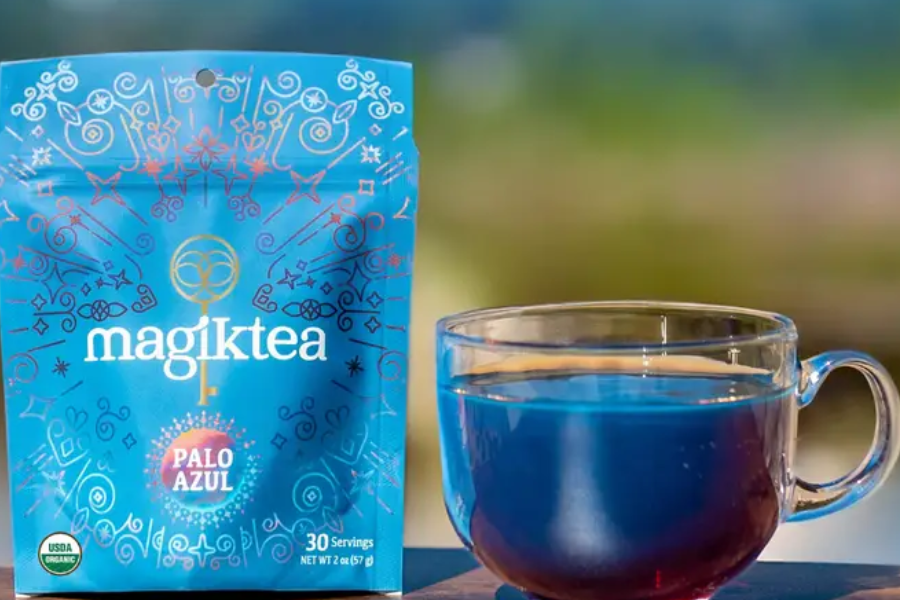
Palo Azul: The Natural Elixir for Health and Wellness
Palo Azul, a plant native to Mexico and parts of Central America, has been celebrated for centuries for its medicinal and therapeutic properties. Known scientifically as Eysenhardtia polystachya, this herb is traditionally brewed into a tea that many believe can aid in detoxification, kidney health, and overall wellness. In recent years, Palo Azul has gained global attention as a natural remedy for various ailments, thanks to its potent antioxidants, anti-inflammatory compounds, and diuretic properties. This article delves deep into Palo Azul, exploring its origins, health benefits, preparation methods, scientific evidence, and precautions for safe use.
What is Palo Azul?
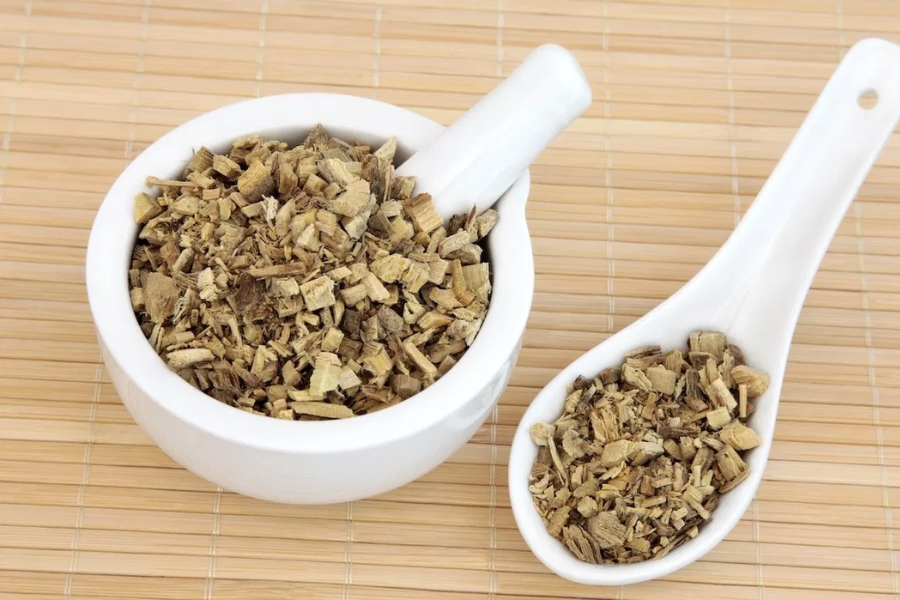
Palo Azul, which translates to “blue stick” in Spanish, is a small, shrub-like tree that grows primarily in the mountainous regions of Mexico. Its wood and bark are rich in natural compounds that, when boiled in water, release a distinctive blue-purple color, giving the tea its characteristic hue. Historically, the indigenous peoples of Mexico used Palo Azul for medicinal purposes, particularly to treat urinary tract infections, kidney stones, and inflammation.
The plant belongs to the Fabaceae family, the same family as beans and legumes, which is known for its high levels of bioactive compounds. Modern herbalists and wellness enthusiasts have continued to study Palo Azul for its potential to support overall health naturally.
Historical and Cultural Significance of Palo Azul
Palo Azul is not just a plant; it is deeply rooted in cultural practices and traditional medicine. For centuries, it has been used by Mexican communities as a remedy for ailments ranging from kidney problems to digestive issues. The tea was considered a natural “detoxifier” and was often consumed during fasting or cleansing rituals.
In addition to medicinal use, Palo Azul was also employed for its aesthetic properties. The blue coloration of the tea was sometimes used as a natural dye, reflecting the plant’s versatility in both practical and cultural contexts.
Health Benefits of Palo Azul
Palo Azul has earned a reputation as a powerful herbal remedy due to its diverse health-promoting properties. Below are some of the most well-researched and widely cited benefits:
Supports Kidney Health
One of the most prominent benefits of Palo Azul is its ability to support kidney function. The plant contains natural diuretic compounds that promote urine production, which can help flush out toxins and prevent the formation of kidney stones. Regular consumption of Palo Azul tea is believed to reduce the risk of urinary tract infections (UTIs) and support overall kidney health.
Natural Detoxification
Palo Azul is often used in detox regimens because of its antioxidant and diuretic properties. The antioxidants in the plant help neutralize harmful free radicals, while its diuretic effect facilitates the elimination of metabolic waste through urine. Together, these actions can contribute to a cleaner, healthier internal system.
Anti-Inflammatory Properties
Chronic inflammation is a root cause of many health conditions, including arthritis, heart disease, and digestive issues. Palo Azul contains flavonoids and other bioactive compounds that exhibit anti-inflammatory effects. Regular consumption of Palo Azul tea may help reduce inflammation, alleviate joint discomfort, and promote overall cellular health.
Blood Sugar and Diabetes Support
Emerging studies suggest that Palo Azul may have potential benefits for managing blood sugar levels. Some research indicates that compounds in the plant can improve glucose metabolism and reduce insulin resistance. While more clinical trials are needed, preliminary evidence supports its use as a complementary approach for individuals managing diabetes or prediabetes.
Weight Management
Due to its detoxifying and diuretic properties, Palo Azul is sometimes included in weight management routines. By promoting water excretion and supporting kidney and liver function, it may help reduce bloating and encourage a healthier metabolic environment. However, it is not a replacement for a balanced diet and exercise but rather a supportive herbal addition.
Antioxidant Power
Palo Azul is rich in antioxidants, which are essential for protecting the body against oxidative stress. Oxidative stress contributes to premature aging, heart disease, and many chronic illnesses. The flavonoids and polyphenols in Palo Azul help neutralize free radicals, supporting long-term health and vitality.
How to Prepare Palo Azul Tea

Preparing Palo Azul tea is simple, but the method can influence the strength and benefits of the brew. Here is a step-by-step guide:
Ingredients:
- 1-2 tablespoons of Palo Azul wood or bark
- 4 cups of water
- Optional: natural sweeteners like honey or stevia
Instructions:
- Boil Water: Begin by bringing 4 cups of water to a boil in a pot.
- Add Palo Azul: Add the Palo Azul wood or bark to the boiling water.
- Simmer: Reduce the heat and let the mixture simmer for 20–30 minutes. The water will gradually turn a deep blue or purple color.
- Strain and Serve: Remove the wood/bark and pour the tea into cups. Sweeten naturally if desired.
- Consumption: For optimal benefits, drink 1–2 cups per day.
Tip: Avoid boiling for too long, as excessive heat can diminish some of the delicate antioxidant compounds.
Scientific Research on Palo Azul
While traditional use and anecdotal evidence support the benefits of Palo Azul, modern research has started to validate these claims. Some key findings include:
- Kidney Stones: Studies have shown that Palo Azul can help dissolve certain types of kidney stones due to its diuretic and alkalinizing properties.
- Anti-Inflammatory Effects: Research indicates that extracts of Palo Azul reduce inflammatory markers in laboratory studies, supporting its use for joint and cellular health.
- Antioxidant Activity: Laboratory analyses have confirmed that Palo Azul is rich in polyphenols and flavonoids, compounds known for their free-radical-neutralizing properties.
Although more human clinical trials are needed, these preliminary findings highlight the plant’s potential as a natural health-supportive herb.
Potential Side Effects and Precautions
Palo Azul is generally considered safe for most people when consumed in moderate amounts as tea. However, certain precautions should be observed:
- Kidney or Liver Conditions: If you have existing kidney or liver issues, consult your doctor before using Palo Azul, as its diuretic effect could interact with medications or exacerbate certain conditions.
- Pregnancy and Breastfeeding: Limited research exists on Palo Azul’s safety during pregnancy and breastfeeding. It is best to avoid use unless approved by a healthcare professional.
- Allergic Reactions: Rare allergic reactions may occur. Discontinue use if you experience rash, itching, or digestive upset.
- Medication Interactions: Due to its potential effect on blood sugar and diuresis, Palo Azul may interact with medications for diabetes, blood pressure, or kidney-related conditions.
Frequently Asked Questions (FAQs)
Q1: Can Palo Azul cure kidney stones?
Palo Azul may help prevent or reduce certain types of kidney stones due to its diuretic and alkalinizing properties. However, it is not a substitute for medical treatment. Always consult a doctor for severe or persistent kidney stones.
Q2: How often should I drink Palo Azul tea?
Drinking 1–2 cups per day is generally considered safe and sufficient to enjoy its health benefits. Avoid excessive consumption to prevent potential dehydration due to its diuretic effect.
Q3: Is Palo Azul safe for children?
There is limited research on Palo Azul use in children. Consult a pediatrician before giving Palo Azul tea to children, especially those under the age of 12.
Q4: Can I take Palo Azul with medications?
It may interact with medications for diabetes, high blood pressure, or kidney-related conditions. Always consult your healthcare provider before combining Palo Azul with prescription medications.
Q5: Does Palo Azul have caffeine?
No, Palo Azul tea is naturally caffeine-free, making it suitable for consumption at any time of day.
Key Takeaways
- Palo Azul (Eysenhardtia polystachya) is a traditional Mexican herbal remedy known for kidney support, detoxification, anti-inflammatory, and antioxidant properties.
- The tea is made by simmering the wood or bark in water, resulting in a characteristic blue-purple infusion.
- Scientific studies support its antioxidant and anti-inflammatory effects, while traditional use highlights its benefits for kidney and urinary tract health.
- Moderate consumption is safe for most adults, but consult a healthcare professional if you have existing medical conditions or are on medication.
- Incorporating Palo Azul tea into a balanced lifestyle can contribute to overall wellness, alongside proper diet and exercise.
Conclusion
Palo Azul is more than just an herbal tea—it is a natural elixir with centuries of traditional use and growing scientific interest. Its unique combination of antioxidants, diuretics, and anti-inflammatory compounds makes it a powerful ally for kidney health, detoxification, and general wellness. While it is not a cure-all, regular consumption as part of a healthy lifestyle may provide meaningful health benefits.
For anyone seeking a natural, culturally rich, and scientifically promising herbal remedy, Palo Azul offers an intriguing option. With proper preparation and mindful consumption, this ancient plant continues to demonstrate its relevance in modern holistic health practices.



Post Comment