
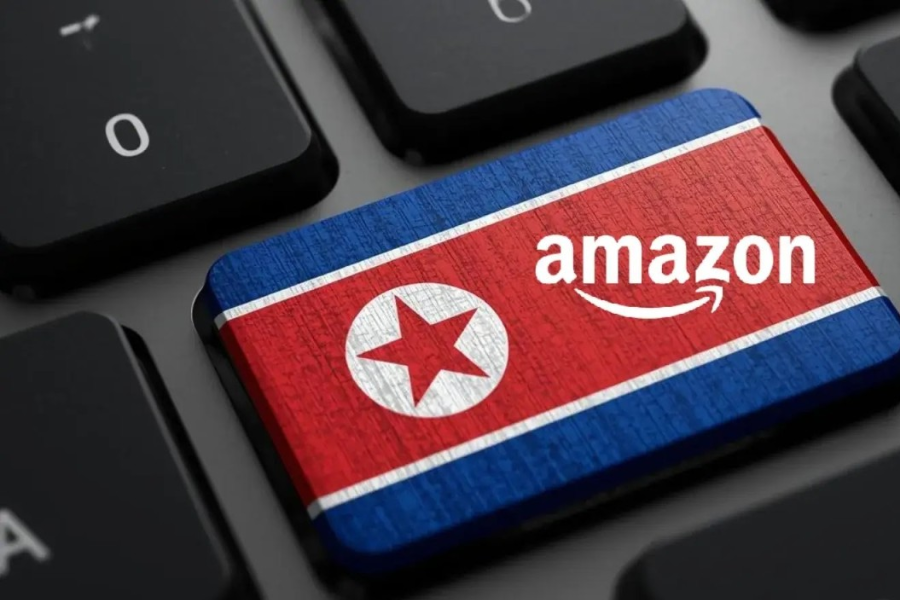
What It Means for International Hiring, Cybersecurity, and Corporate Responsibility When Amazon Rejects 1,800 Job Applications from Alleged North Korean Agents
In an era where remote work has erased borders and global hiring has become the norm, corporations face a new and complex challenge: protecting their systems, data, and people from covert foreign influence. The news that Amazon blocks 1,800 job applications from suspected North Korean agents is not just a headline about recruitment screening. It is a revealing snapshot of how modern corporations are now operating at the intersection of national security, cybersecurity, and ethical employment practices.
This incident underscores a growing reality. Job applications are no longer just résumés and interviews. They can be potential entry points for espionage, financial fraud, and cyber infiltration. As one of the world’s largest employers and technology-driven companies, Amazon’s decision highlights how multinational corporations are becoming frontline defenders against sophisticated global threats.
Understanding what happened, why it matters, and what it means for the future of hiring requires a deeper look at modern recruitment risks, North Korea’s alleged cyber strategies, and the evolving responsibilities of global companies.
How Amazon Detected and Blocked the Applications

The revelation that Amazon blocked 1,800 job applications did not come from a single red flag or isolated incident. It was the result of layered internal systems designed to detect coordinated patterns, inconsistencies, and behaviors commonly associated with foreign cyber operations. These applications reportedly showed overlapping characteristics that raised serious concerns among security teams.
In many cases, suspicious applications were linked to falsified identities, manipulated work histories, and fabricated online profiles. Some applicants appeared highly qualified on paper, particularly in software development, cloud engineering, and cybersecurity roles. However, deeper analysis revealed anomalies in employment timelines, repeated résumé structures, and digital fingerprints that suggested coordination rather than coincidence.
Amazon’s internal security systems are designed to analyze metadata, behavioral patterns, and technical markers that go beyond traditional hiring checks. When hundreds of applications began to match known risk profiles tied to North Korean cyber operations, Amazon escalated the matter and blocked them before they could move further into the hiring pipeline.
Why North Korean Operatives Target Global Tech Companies
North Korea has long been accused of using cyber operations to generate revenue, gather intelligence, and bypass international sanctions. Unlike traditional espionage, these operations often rely on deception, digital anonymity, and the exploitation of open systems such as global job markets.
Tech companies are particularly attractive targets. They offer access to valuable intellectual property, cloud infrastructure, customer data, and internal tools that can be exploited for financial gain or intelligence collection. Remote work has made these targets even more accessible, allowing individuals to apply for jobs without ever entering the country where the company is headquartered.
By infiltrating a company through legitimate employment, operatives can gain trusted access that would be difficult to achieve through direct cyberattacks alone. This approach allows malicious actors to blend in, avoid detection, and operate under the cover of normal corporate activity.
The alleged strategy behind these applications is believed to involve gaining employment, earning salaries that can be redirected to the North Korean state, and potentially accessing systems that could be leveraged for broader cyber operations.
The Role of Remote Work in Expanding Hiring Risks
The global shift toward remote work has transformed how companies recruit talent. While this has opened doors for skilled professionals worldwide, it has also introduced new vulnerabilities. Hiring managers now rely heavily on digital verification, video interviews, and online documentation, all of which can be manipulated.
Remote roles in software development, data analysis, and cloud management are especially attractive targets. These positions often come with access to sensitive systems and minimal physical oversight. A skilled actor with a convincing online presence can appear indistinguishable from a legitimate candidate during the early stages of hiring.
Amazon’s experience highlights how remote work, while beneficial, requires stronger verification processes. Identity confirmation, background checks, and continuous monitoring are becoming essential components of modern recruitment, particularly for roles involving sensitive data or infrastructure.
Cybersecurity and the Hiring Process Are Now Interconnected
Traditionally, cybersecurity focused on defending networks against external threats. Today, hiring itself has become part of the cybersecurity perimeter. When Amazon blocks 1,800 job applications, it is effectively treating recruitment as a potential attack surface.
Malicious actors increasingly understand that people can be the weakest link in any security system. Gaining legitimate access through employment provides a level of trust that is difficult to replicate through hacking alone. Once inside, an insider threat can operate quietly, gathering information or enabling larger attacks.
Amazon’s response reflects a broader industry shift. Human resources departments now work closely with cybersecurity teams to assess risks that go beyond technical skills. Behavioral analysis, digital footprint review, and anomaly detection are becoming standard practices in high-risk industries.
This integration of hiring and security represents a fundamental change in how companies protect themselves in a digitally connected world.
Legal and Ethical Considerations in Blocking Applications
Blocking 1,800 job applications is not a decision taken lightly. Companies must balance security concerns with ethical hiring practices and anti-discrimination laws. Amazon’s actions reportedly focused on behavioral patterns and technical indicators rather than nationality alone.
This distinction is critical. Ethical hiring requires that decisions be based on credible evidence and risk assessment, not assumptions about nationality or background. Amazon’s approach demonstrates how companies can address security threats without engaging in blanket exclusions or discriminatory practices.
The situation also raises questions about transparency. While companies cannot disclose all security measures without compromising them, they must ensure that their processes are fair, accountable, and legally sound. Clear internal guidelines and oversight are essential to prevent misuse or overreach.
What This Means for Job Seekers Worldwide
For legitimate job seekers, especially those applying remotely, this incident may raise concerns about increased scrutiny. While enhanced verification may add steps to the hiring process, it ultimately benefits both companies and candidates by protecting workplace integrity.
Applicants may see more requests for identity verification, work authorization documentation, and detailed background information. These measures are becoming standard rather than exceptional, particularly in technology-driven roles.
For genuine professionals, this shift reinforces the importance of transparency and consistency. Accurate résumés, verifiable experience, and a clear digital footprint can help distinguish legitimate candidates from malicious actors attempting to exploit the system.
Corporate Responsibility in a Geopolitical Context
Amazon’s decision illustrates how multinational corporations are increasingly operating within a geopolitical landscape. While companies are not government agencies, their scale and influence mean their actions can have national and global implications.
By blocking suspected North Korean agents, Amazon is not making a political statement but fulfilling its responsibility to protect its employees, customers, and infrastructure. However, such actions inevitably intersect with international relations, sanctions enforcement, and national security priorities.
This case highlights the evolving role of corporations as gatekeepers in global systems. From financial institutions to tech companies, private organizations now play a crucial role in preventing the misuse of open markets and digital platforms by hostile actors.
How This Incident May Influence Industry-Wide Hiring Practices
The fact that Amazon blocks 1,800 job applications from suspected North Korean agents is likely to influence how other companies approach hiring. Large employers may reevaluate their recruitment processes, particularly for remote and technical roles.
Smaller companies, which may lack Amazon’s resources, could face increased pressure to improve screening without discouraging talent. This may lead to greater reliance on third-party verification services, AI-driven risk assessment tools, and closer collaboration with cybersecurity experts.
Industry-wide standards for secure hiring could emerge, much like compliance frameworks in finance and data protection. These standards would help organizations balance openness with security in an increasingly complex environment.
The Broader Implications for Cyber Warfare and Economic Sanctions
This incident also sheds light on how cyber warfare and economic sanctions intersect with everyday business operations. When individuals attempt to gain employment to funnel income or access resources for sanctioned states, hiring becomes a vector for sanctions evasion.
Companies like Amazon are now on the front lines of enforcing these boundaries, often without explicit mandates. Their internal controls can either enable or disrupt such schemes, making corporate vigilance a key component of international security efforts.
As cyber operations grow more sophisticated, the distinction between criminal activity, espionage, and employment fraud becomes increasingly blurred. Addressing these challenges requires cooperation between governments, corporations, and technology providers.
Frequently Asked Questions
Why would suspected North Korean agents apply for jobs at Amazon?
Large tech companies offer access to valuable systems, high salaries, and global infrastructure. Employment can provide both financial benefits and potential access to sensitive information.
Does this mean Amazon discriminates based on nationality?
No. The blocking reportedly focused on suspicious patterns and behaviors, not nationality alone. Ethical hiring practices require evidence-based decisions.
Will this affect remote job opportunities?
Remote work will continue, but companies may implement stricter verification and monitoring processes to reduce risk.
Is this a common problem for tech companies?
Yes. Many global companies face similar threats, particularly those operating in software, cloud services, and data-driven industries.
What can job seekers do to avoid issues?
Be transparent, provide accurate information, and maintain a verifiable professional presence. Legitimate candidates benefit from clear and consistent documentation.
Key Takeaways
The decision that Amazon blocks 1,800 job applications from suspected North Korean agents highlights a new reality in global hiring. Recruitment is now a critical part of cybersecurity and national security. Remote work has expanded opportunity but also introduced new vulnerabilities. Companies must balance openness with vigilance, using ethical and evidence-based methods to protect their systems. For job seekers, transparency and authenticity are more important than ever. This incident reflects how modern corporations are adapting to threats that extend far beyond traditional business risks.
Conclusion
The revelation that Amazon blocks 1,800 job applications from suspected North Korean agents is not just a story about hiring practices. It is a reflection of how deeply interconnected technology, geopolitics, and corporate responsibility have become. As global companies continue to expand their reach and embrace remote work, they must also adapt to threats that exploit openness and trust.
Amazon’s actions demonstrate that protecting a company today means safeguarding not only servers and software but also the pathways through which people enter an organization. In doing so, companies help preserve the integrity of global labor markets while defending against misuse by hostile actors.
This incident serves as a warning, a lesson, and a roadmap. The future of hiring will be more secure, more scrutinized, and more closely aligned with cybersecurity than ever before. For businesses and professionals alike, understanding this shift is essential in navigating the evolving world of work.