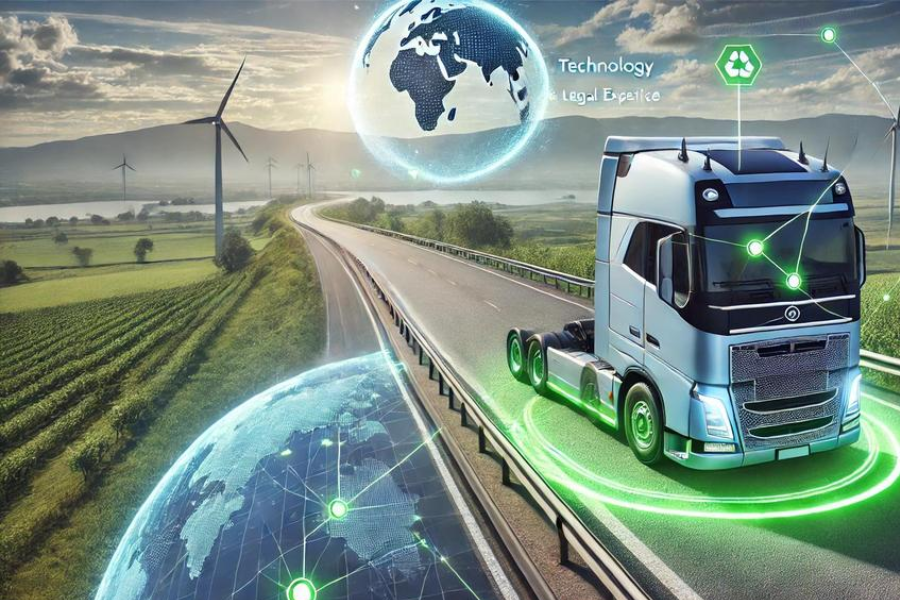
Is Tech Good News for Truckers? How Technology Is Reshaping Life on the Road
For decades, trucking has been one of the most essential yet demanding professions in the modern economy. Truckers keep supply chains moving, deliver goods to every corner of the country, and often spend long, lonely hours behind the wheel. As technology advances at a rapid pace, many drivers are asking a simple but important question: is tech good news for truckers?
The answer is not a simple yes or no. Technology is changing trucking in powerful ways, offering real benefits while also creating new pressures and concerns. From safety systems and route optimization to automation and digital monitoring, tech is redefining what it means to be a trucker in today’s world. This article takes a deep, human-centered look at how technology is affecting truck drivers, their jobs, their income, and their future.
How Technology Entered the Trucking Industry

Technology did not arrive in trucking overnight. It entered gradually, first through basic mechanical improvements, then through digital tools designed to improve efficiency and safety. Early innovations focused on vehicle reliability, fuel efficiency, and navigation. Over time, these tools evolved into complex systems that track driver behavior, monitor vehicle performance, and manage logistics in real time.
The modern trucking industry now relies heavily on software, sensors, and data. Dispatch systems assign loads automatically, GPS tools calculate the fastest routes, and onboard computers record nearly every aspect of a driver’s day. For many truckers, this shift has been both helpful and overwhelming.
Understanding whether tech is good news for truckers requires looking closely at how these changes affect daily life on the road.
Improved Safety: One of Technology’s Biggest Benefits
One of the strongest arguments in favor of technology in trucking is safety. Modern trucks are equipped with advanced driver assistance systems that help prevent accidents and reduce fatigue-related risks. Features such as lane departure warnings, automatic emergency braking, blind-spot monitoring, and adaptive cruise control have saved lives.
For truckers, these systems act as an extra set of eyes. Long hours and unpredictable road conditions make driving physically and mentally demanding. Safety technology helps reduce stress and supports drivers during critical moments. When used properly, it can mean fewer accidents, lower insurance costs, and greater peace of mind for drivers and their families.
In this sense, tech is clearly good news for truckers, especially when safety tools are designed to assist rather than replace human judgment.
Route Optimization and Time Savings
Navigation technology has transformed how truckers plan their routes. GPS-based systems now consider traffic patterns, weather conditions, road closures, and even fuel prices. Instead of relying on paper maps or guesswork, drivers receive real-time updates that help them avoid delays.
This technology saves time, reduces fuel consumption, and lowers frustration. For independent owner-operators, efficient routing directly impacts profitability. Fewer wasted miles mean lower operating costs and more predictable schedules.
However, some truckers feel that over-reliance on automated routing removes flexibility. Experienced drivers often know shortcuts and local conditions better than any algorithm. When systems ignore this experience, frustration can grow. Still, for most drivers, smart routing is a clear advantage
Digital Logs and Compliance: A Mixed Experience
Electronic logging devices, often referred to as ELDs, are one of the most controversial technologies in trucking. These systems automatically track driving hours to ensure compliance with regulations designed to prevent fatigue-related accidents.
From a safety perspective, digital logs reduce the temptation to drive beyond legal limits. They create a level playing field and protect drivers from being pressured into unsafe schedules. For some truckers, this has improved work-life balance and reduced burnout.
At the same time, many drivers feel that ELDs reduce flexibility and autonomy. Unexpected delays, bad weather, or limited parking options do not always align neatly with digital timers. The constant monitoring can feel intrusive, making drivers feel less trusted and more controlled.
This highlights a key theme in the tech debate: technology can improve safety, but it must account for real-world conditions faced by truckers.
Communication Technology and Reduced Isolation
Life on the road can be lonely. Technology has helped bridge that gap by improving communication between drivers, dispatchers, and loved ones. Smartphones, messaging apps, and in-cab communication systems allow truckers to stay connected without compromising safety.
Video calls and social platforms help drivers maintain relationships despite long absences from home. For mental health and emotional well-being, this connectivity is a major positive development. It reminds drivers that they are not alone, even when traveling thousands of miles.
In this area, tech is undeniably good news for truckers, offering emotional support and a stronger sense of connection.
Automation and the Fear of Job Loss
No discussion about technology in trucking is complete without addressing automation. Self-driving truck technology has sparked widespread concern about the future of trucking jobs. Many drivers worry that autonomous vehicles will eventually replace human drivers altogether.
In reality, fully autonomous trucking remains limited and faces major technical, legal, and ethical challenges. Most current systems are designed to assist drivers, not replace them. Long-haul routes, complex urban environments, and unpredictable conditions still require human decision-making.
However, the fear is real. Even the perception of job insecurity affects morale. Truckers worry about long-term career stability and whether younger generations will see trucking as a viable profession.
Whether tech is good news for truckers depends heavily on how automation is introduced. When technology supports drivers instead of replacing them, it can enhance the profession rather than eliminate it.
Data Tracking and Driver Privacy Concerns
Modern trucks generate massive amounts of data. Speed, braking patterns, idle time, fuel usage, and even camera footage can be recorded and analyzed. While this data helps companies improve efficiency and safety, it also raises privacy concerns.
Some truckers feel constantly watched, judged by algorithms that do not fully understand context. A sudden brake to avoid an accident may be flagged as risky behavior. Time spent idling to rest or stay warm may be seen as inefficiency.
The challenge lies in how data is used. When data supports fair evaluation, training, and safety improvements, it benefits everyone. When it becomes a tool for excessive surveillance, it damages trust between drivers and employers.
Technology and Pay Transparency
Technology has also changed how truckers are paid and evaluated. Digital systems track miles, loads, and performance metrics with precision. In theory, this can lead to fairer compensation and clearer expectations.
For owner-operators, digital platforms provide access to load boards, pricing tools, and market data. This transparency helps drivers make informed decisions and negotiate better rates.
However, some drivers feel that complex algorithms determine pay in ways that are difficult to understand or challenge. Without clear communication, technology can create confusion rather than clarity.
Training and Skill Development in a Tech-Driven Industry
As technology becomes more integrated into trucking, drivers must develop new skills. Understanding onboard systems, troubleshooting digital tools, and adapting to software updates are now part of the job.
This creates both opportunity and pressure. Drivers who embrace technology often find it easier to adapt and advance. Younger drivers may feel more comfortable with digital tools, while older drivers sometimes feel left behind.
The industry’s responsibility is to provide proper training and support. When education keeps pace with innovation, technology becomes empowering rather than intimidating.
Environmental Technology and Fuel Efficiency
Technology has also helped reduce the environmental impact of trucking. Improved engine designs, fuel management systems, and alternative energy options are lowering emissions and fuel costs.
For drivers, this means more efficient vehicles and fewer fuel-related expenses. Environmentally friendly technology can also improve public perception of trucking, highlighting its role in sustainable logistics.
While environmental regulations sometimes add complexity, the long-term benefits of cleaner technology are increasingly clear.
Is Tech Good News for Truckers Overall?
The question “is tech good news for truckers” does not have a one-size-fits-all answer. Technology has brought real improvements in safety, efficiency, communication, and comfort. It has reduced isolation, improved navigation, and made compliance more transparent.
At the same time, it has introduced new challenges related to privacy, autonomy, job security, and work pressure. The key issue is not technology itself, but how it is implemented and managed.
When truckers are included in decision-making, trained properly, and treated with respect, technology becomes a powerful ally. When it is imposed without understanding the realities of life on the road, it creates resistance and stress.
Frequently Asked Questions
Does technology make trucking safer?
Yes, safety systems significantly reduce accident risks when used correctly.
Will technology replace truck drivers?
In the near future, technology is more likely to assist drivers than replace them entirely.
Do truckers benefit financially from technology?
Route optimization and efficiency tools can increase earnings, especially for owner-operators.
Is driver privacy at risk?
Data tracking raises valid concerns, but responsible use can balance safety and privacy.
Do truckers need new skills because of technology?
Yes, modern trucking requires basic digital literacy and ongoing training
Key Takeaways
Technology is transforming trucking in profound ways. It improves safety, efficiency, and communication while also raising concerns about privacy, autonomy, and job security. Whether tech is good news for truckers depends on how well it supports drivers rather than controls them. Balanced implementation, proper training, and respect for driver experience are essential.
Conclusion
So, is tech good news for truckers? The honest answer is that it can be. Technology has the potential to make trucking safer, more profitable, and less isolating. It can support drivers through smarter systems and better tools.
However, technology must serve the people behind the wheel, not just the companies managing fleets. When innovation respects human experience and real-world challenges, it strengthens the trucking profession. The future of trucking does not belong to machines alone. It belongs to skilled drivers working alongside technology, not under it.





Post Comment