The Cost of Australia’s Social Media Ban: Economic, Social, and Digital Consequences Explained
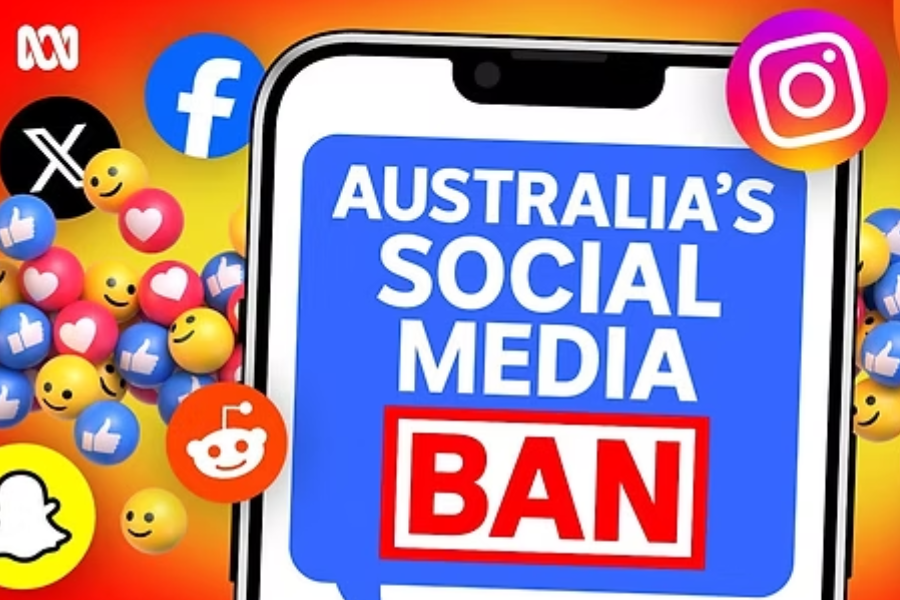
Australia’s decision to impose strict limits and bans on certain social media activities has sparked intense national and global debate. Supporters argue that regulation is necessary to protect users, especially young people, from online harm, misinformation, and data exploitation. Critics warn that the true cost of Australia’s social media ban goes far beyond screen time and online behavior. It reaches into the economy, free expression, digital innovation, education, and even Australia’s global competitiveness.
Understanding the full impact of this policy requires more than headlines. It demands a closer look at who pays the price, how businesses and individuals are affected, and what this shift means for Australia’s digital future. This article explores the real cost of Australia’s social media ban in practical, human terms, cutting through noise to explain the consequences clearly and honestly.
Understanding Australia’s Social Media Ban

Australia’s social media ban is not a single, simple rule. It represents a broader regulatory approach aimed at controlling how social platforms operate, who can access them, and how content is managed. The policy focuses heavily on youth protection, data privacy, and accountability for large technology companies.
While the intention is rooted in public safety and well-being, implementation has proven complex. Restrictions affect not only global platforms but also local creators, small businesses, educators, and community groups that rely on social media for communication and growth.
The cost of Australia’s social media ban must therefore be measured across multiple dimensions, not just compliance expenses or enforcement budgets.
Economic Impact on Small Businesses and Entrepreneurs
One of the most immediate and visible costs of Australia’s social media ban falls on small businesses. For years, platforms like social media networks have served as affordable marketing tools for startups, local shops, freelancers, and service providers. These platforms allowed businesses to reach customers without massive advertising budgets.
With restrictions in place, many small operators face reduced visibility. Paid advertising options become limited, organic reach declines, and customer engagement suffers. Businesses that once relied on social media for sales, bookings, and brand awareness must now invest in alternative channels, often at higher costs.
Entrepreneurs who built entire business models around digital communities feel the pressure most acutely. Influencers, content creators, and online educators experience income instability as audiences shrink or migrate. The ban effectively raises the barrier to entry for new businesses, favoring larger companies with the resources to adapt quickly.
The Cost to Jobs and the Digital Economy
Australia’s digital economy has grown rapidly over the past decade, with social media playing a key role in job creation. Marketing professionals, social media managers, graphic designers, video editors, and content strategists depend directly or indirectly on these platforms.
When access and usage are restricted, demand for these roles declines. Companies scale back digital campaigns, agencies lose clients, and freelancers face reduced workloads. Over time, this can slow job growth in one of the economy’s most dynamic sectors.
Beyond direct employment, innovation suffers. Startups that depend on rapid online exposure struggle to scale. Investors become cautious, and Australia risks falling behind other countries that maintain more open digital ecosystems.
Impact on Young People and Education
Supporters of the ban often highlight the need to protect young people from online harm. However, the cost of Australia’s social media ban on education and youth development is more complex than it appears.
Social media has become a tool for learning, collaboration, and creativity. Students use platforms to share ideas, access educational content, and build digital skills essential for modern careers. Restricting access may reduce exposure to harmful content, but it can also limit opportunities for digital literacy and self-expression.
Educators who use social platforms to engage students face challenges adapting their methods. Informal learning communities disappear, and students lose spaces where peer-to-peer learning thrives. The long-term cost may be a generation less prepared for a digital-first workforce.
Freedom of Expression and Public Discourse
Another significant cost of Australia’s social media ban lies in its impact on free expression. Social platforms have become modern public squares, where people discuss ideas, share experiences, and participate in civic life.
Restrictions reduce the diversity of voices in public conversations. Marginalized communities, independent journalists, and grassroots movements often rely on social media to be heard. Limiting these channels can unintentionally silence perspectives that do not have access to traditional media.
Public discourse becomes narrower, and the flow of information slows. While moderation is necessary to prevent harm, excessive restriction risks undermining democratic engagement and open debate.
The Cost to Mental Health and Social Connection
Social media is often criticized for its impact on mental health, yet it also plays a vital role in maintaining social connections. For many Australians, especially those in remote areas, online platforms provide a sense of belonging and community.
The social cost of the ban includes increased isolation for individuals who rely on digital spaces for support. Communities built around shared interests, health challenges, or cultural identity may struggle to survive under restrictive policies.
Mental health outcomes are not one-dimensional. Removing harmful content is beneficial, but eliminating connection entirely can create new problems. The true cost lies in failing to balance protection with human connection.
Compliance Costs for Technology Companies
Large technology companies operating in Australia face significant compliance costs under the ban. These include investments in age verification systems, content moderation teams, legal frameworks, and reporting mechanisms.
While multinational corporations can absorb these expenses, smaller platforms often cannot. This leads to reduced competition, as only the largest players remain capable of meeting regulatory demands. Innovation slows, and consumers have fewer choices.
In the long run, Australia risks becoming a less attractive market for emerging digital platforms, limiting exposure to new technologies and ideas.
Global Reputation and Competitiveness
Australia has long been viewed as a forward-thinking, digitally connected nation. The cost of Australia’s social media ban includes potential damage to this reputation. Global investors and tech innovators may view the country as overly restrictive or difficult to operate in.
In a world where digital collaboration crosses borders, policies that isolate users or platforms can reduce international engagement. Australian voices may become less visible globally, and local businesses may struggle to reach international audiences.
Competitiveness in the global digital economy depends on openness, adaptability, and trust. Overregulation threatens all three.
Hidden Costs for Consumers
Consumers also bear hidden costs. Reduced competition can lead to higher prices for digital services. Limited platform choices reduce user experience and innovation. Access to information becomes fragmented, forcing users to rely on fewer sources.
Additionally, users may turn to unofficial or unsafe alternatives to bypass restrictions, increasing exposure to security risks. The ban’s intention to protect users may inadvertently push them toward less regulated spaces.
Balancing Regulation and Growth
The debate around Australia’s social media ban highlights a broader challenge faced by governments worldwide. How do you protect citizens without stifling growth and innovation?
Effective regulation should target harmful behavior without punishing legitimate use. Transparency, collaboration with stakeholders, and adaptive policies are key. Blanket restrictions often create more problems than they solve.
This is where informed discussion becomes essential. Platforms that encourage thoughtful analysis of global business and policy trends help citizens understand these complex trade-offs. Many professionals choose to sign up to World of Business resources to gain deeper insight into how such policies affect economies, industries, and societies worldwide.
Long-Term Consequences for Innovation
Innovation thrives in environments where experimentation is encouraged. Social media has been a testing ground for new ideas, from digital marketing strategies to social movements. Restricting this space limits experimentation.
Startups lose a low-cost environment to test products. Creators lose feedback loops that drive improvement. Over time, Australia’s innovation ecosystem may become more cautious and less dynamic.
The cost is not just economic but cultural. A society that limits creative expression risks losing its edge in a rapidly changing world.
Frequently Asked Questions
Why did Australia introduce a social media ban?
The ban aims to protect users, especially young people, from harmful content, misinformation, and data misuse.
Who is most affected by the ban?
Small businesses, content creators, young people, and digital professionals face the greatest impact.
Does the ban improve mental health?
It may reduce exposure to harmful content, but it can also increase isolation and limit positive social connections.
How does the ban affect Australia’s economy?
It increases costs for businesses, reduces job opportunities, and may slow digital innovation.
Is regulation of social media necessary?
Yes, but it must be balanced to protect users without stifling growth and free expression.
Key Takeaways
The cost of Australia’s social media ban extends far beyond regulation. It affects small businesses, jobs, education, mental health, innovation, and global competitiveness. While protecting users is important, overly restrictive policies risk creating economic and social harm. A balanced, informed approach is essential to ensure Australia remains connected, competitive, and innovative in the digital age.
Conclusion
Australia’s social media ban represents a turning point in how the nation approaches digital regulation. The intention to protect citizens is valid, but the broader consequences cannot be ignored. Economic strain on small businesses, reduced opportunities for young people, and potential damage to innovation highlight the complexity of the issue.
The true cost of Australia’s social media ban lies in what is lost when connection, creativity, and competition are restricted. Moving forward, policymakers must listen to businesses, educators, and communities to refine regulations that protect without isolating. In a world driven by digital exchange, understanding these trade-offs is not optional. It is essential for shaping a future that balances safety with opportunity.